Reporting note: this article draws on Sky Sports; LodiScore provides the summary and editorial framing.
The Tension Beneath England's Nations League Ascent
England closed their autumn international window with a composed victory over the Czech Republic, securing three consecutive clean sheets and all but cementing a place in the UEFA Nations League quarter-finals. Yet, eighty-three days after a painful World Cup semi-final exit against Argentina, manager Thomas Tuchel revealed that the scars of tournament scrutiny remain unhealed.
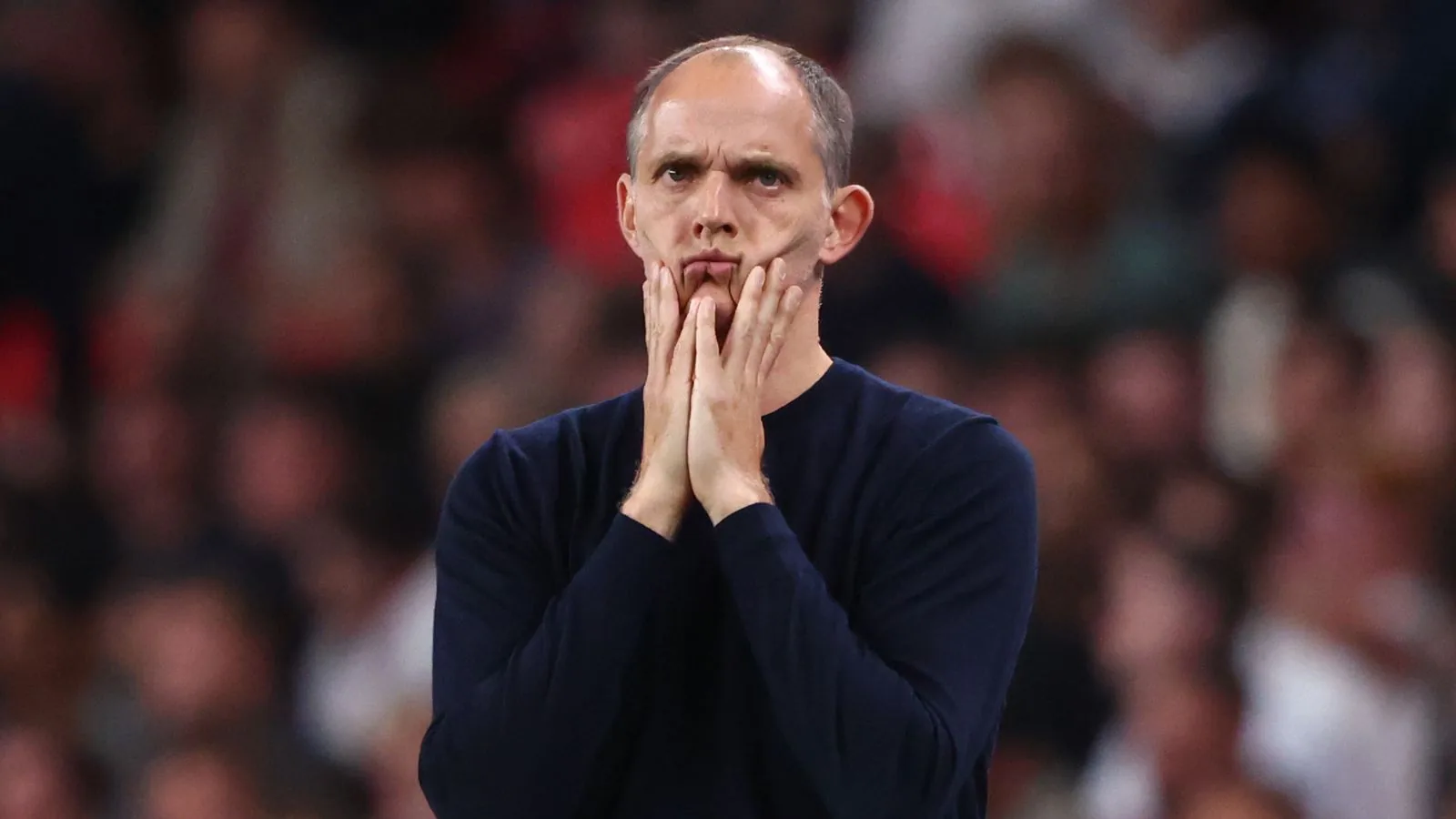
Despite the celebratory atmosphere at Wembley Stadium and clear signs of tactical cohesion, Tuchel delivered sharp, combative remarks during his post-match press conference. Addressing lingering assessments of England's summer campaign, Tuchel defended the run, pointedly remarking: "It's necessary to move on and I can only repeat: we didn't go out in the group stage. It often feels like that. But we didn't." The exchange underscored an underlying friction between external narratives and internal progress.
Tactical Evolution: Fluidity in the Forward Line
On the pitch, Tuchel’s structural framework has demonstrated tangible growth following an initial defeat to Spain. The centerpiece of this autumn progression was a dominant 7-0 victory against Croatia, providing what the coaching staff view as functional proof of concept. The attacking structure has shifted away from rigid positioning toward dynamic spatial rotations:


- Harry Kane’s Positional Fluidity: Operating with greater freedom to drop into deeper half-spaces, Kane creates passing corridors while drawing central defenders out of alignment.
- Jude Bellingham’s Verticality: Freed from restricted central midfield duties—described by assistant coach Anthony Barry as letting him "out of a cage"—Bellingham has frequently pushed into vacated forward zones, emerging as a primary alternative at center-forward over traditional options like Dominic Calvert-Lewin.
- Wing Dynamics: Bukayo Saka and Anthony Gordon have adapted their interior runs to compensate whenever central overloads form, maintaining wide threats while destabilizing low blocks.
Squad Hierarchy and Roster Clarity
The extended three-week camp also solidified several emerging roles across England’s tactical blueprint. Lewis Hall has strengthened his claim as the preferred starter at left-back, while midfielder Alex Scott earned explicit commendation from the coaching staff as an integrated member of the core group. Trent Alexander-Arnold also displayed high-level distribution, though long-term defensive deployment remains subject to squad fitness across the right-back cohort.
Conversely, clear boundaries have emerged on the squad periphery. Cole Palmer faced public reminders regarding attendance consistency, while Phil Foden and Harry Maguire remained outside this iteration of the roster, signaling a streamlined core as Tuchel prepares for long-term competition.
What Comes Next
England now enter a six-week recess before facing their most rigorous tactical evaluation: an away fixture against European champions Spain in November. While internal camp morale and attacking metrics show steady stabilization, Tuchel’s ability to manage high-pressure external scrutiny will be tested as England transition from preliminary Nations League qualification to elite tournament preparation.