Reporting note: this article draws on Sky Sports; LodiScore provides the summary and editorial framing.
Ownership Shift Looming at Stamford Bridge
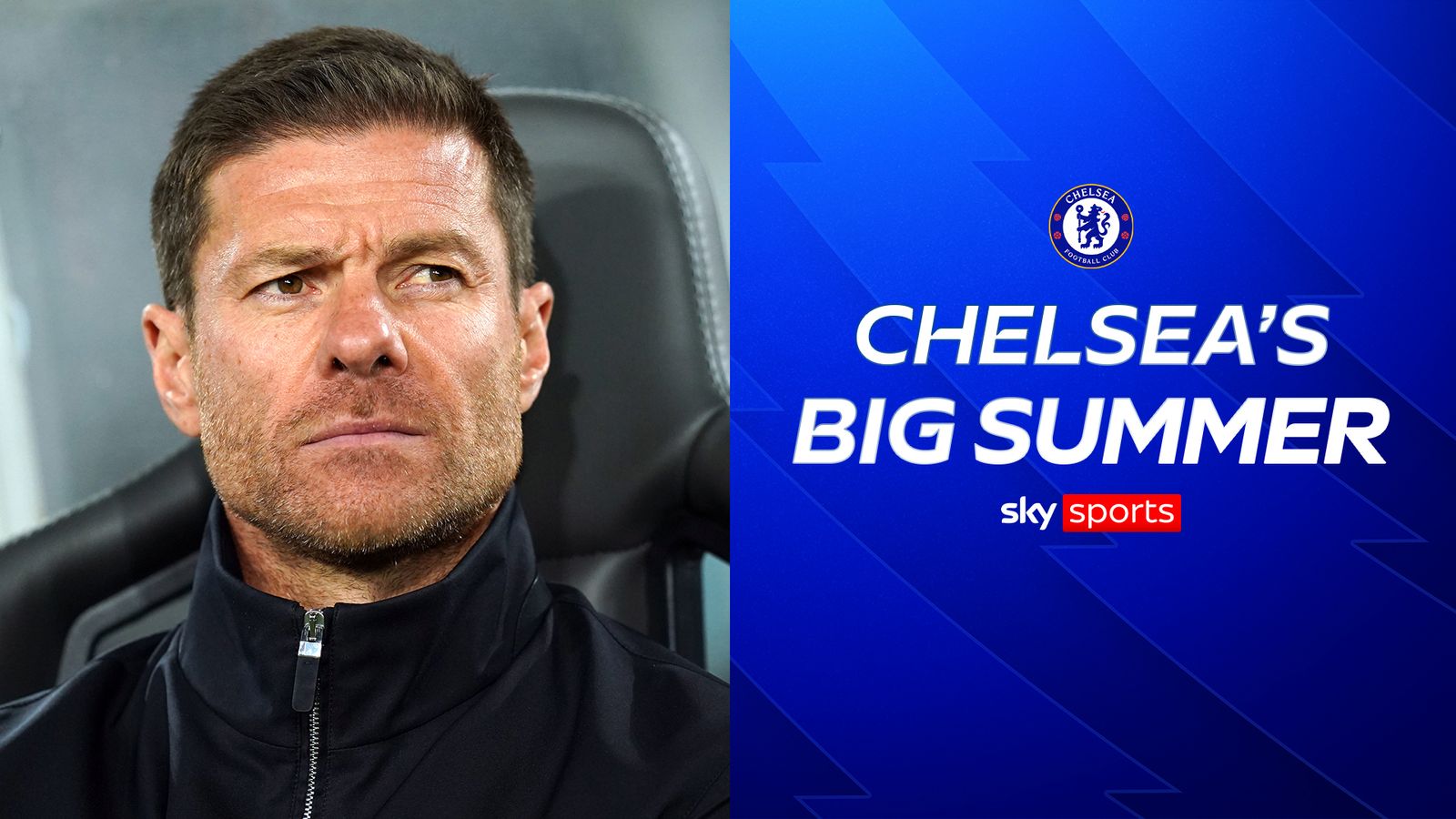
Chelsea co-owners Todd Boehly and Mark Walter have engaged in preliminary discussions regarding the sale of their minority stakes to majority shareholder Clearlake Capital. The potential transaction would consolidate administrative control under Clearlake, led by Behdad Eghbali and Jose Feliciano, bringing an end to the fractured governance structure that has defined the club's post-takeover era.
Current Shareholding and Power Structure
The consortium acquired Chelsea four years ago in a £2.5bn transaction, fronted publicly by Boehly. However, the equity split established an operational division between the private equity firm and the American individual investors:
- Clearlake Capital: Holds a 61.5 per cent controlling majority.
- Todd Boehly: Holds a 12.8 per cent stake.
- Mark Walter: Holds a 12.8 per cent stake.
- Hansjörg Wyss: Holds a 12.8 per cent stake.
While Boehly currently serves as chairman, daily football and corporate operations have increasingly been directed by Eghbali and Feliciano. Boehly’s scheduled chairmanship term is set to conclude next summer, providing a natural transition point that these negotiations could accelerate.

Strategic Friction and Managerial Divergence
The relationship across the boardroom has endured friction concerning long-term sporting strategy. A defining fissure emerged over the departure of former head coach Mauricio Pochettino, whom Boehly preferred to retain, while Clearlake advocated for a structural change. Resolving the ownership overlap would clarify the hierarchy, though any formal buyout remains contingent on Clearlake meeting the financial valuation required by Boehly and Walter.
Implications for Chelsea
Should Clearlake acquire the combined 25.6 per cent holding from Boehly and Walter, the private equity firm would command upwards of 87 per cent of the club's equity. This consolidation would streamline executive decision-making, remove public division at board level, and establish undisputed operational oversight as the club navigates domestic standings and European qualification pursuits.