
Reporting note: this article draws on sports.yahoo.com; LodiScore provides the summary and editorial framing.
Structural Shift in Los Angeles Following LeBron James' Exit
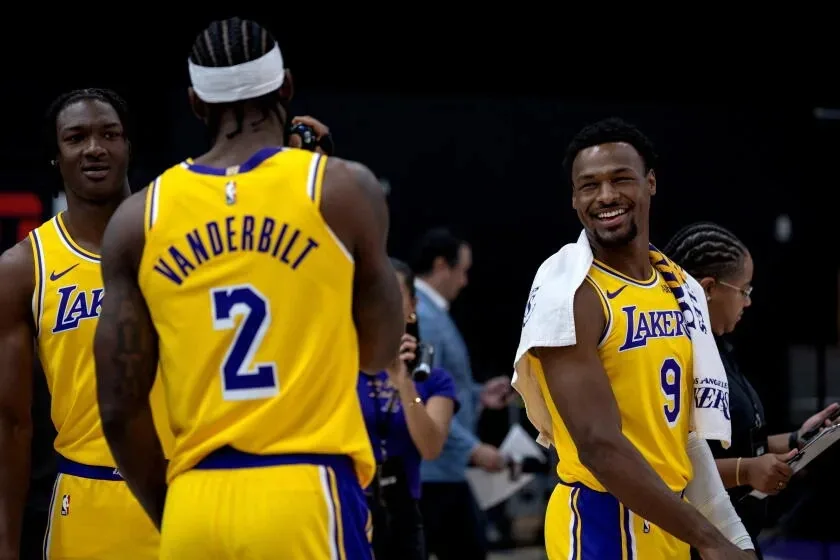
Bronny James has addressed the departure of his father, LeBron James, from the Los Angeles Lakers, marking a significant transition point for the franchise's long-term roster construction. The shift alters the operational dynamic for the young guard as general manager Rob Pelinka and the front office recalibrate the backcourt and perimeter rotation.
Roster Reconfiguration and Positional Movement
With the departure finalized, the Lakers face an immediate restructuring of their spatial hierarchy around All-Star big man Anthony Davis. LeBron James functioned as the central load-bearing hub of the team’s offensive geometry, dictating pace, entry angles, and recovery lanes. In his absence, secondary playmakers and perimeter defenders must absorb higher mechanical demands on both ends of the floor.
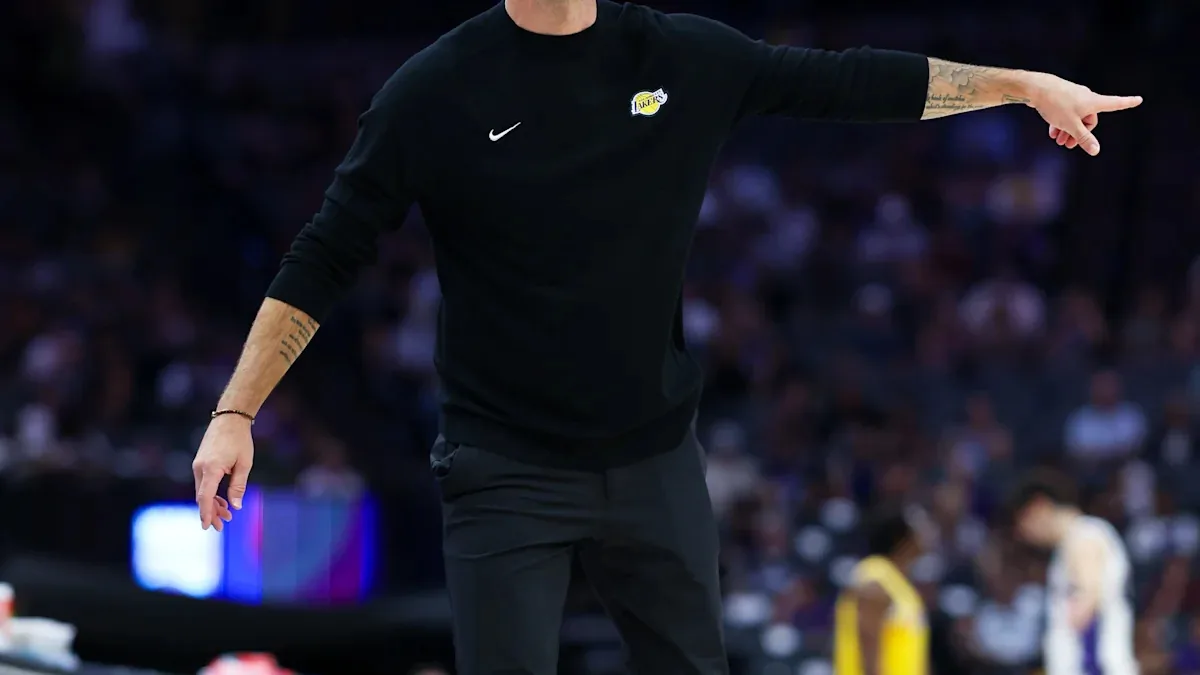
For Bronny James, the development pathway shifts from complementary support alongside his father to establishing individual viability within head coach JJ Redick's system. The physical tape reveals an emphasis on lateral slide discipline, containment at the point of attack, and navigating high-screen actions. Without the gravitational pull of LeBron on the floor, open driving corridors will compress, demanding quicker catch-and-shoot releases and tighter baseline rotations.


Impact on Lineup Hierarchy
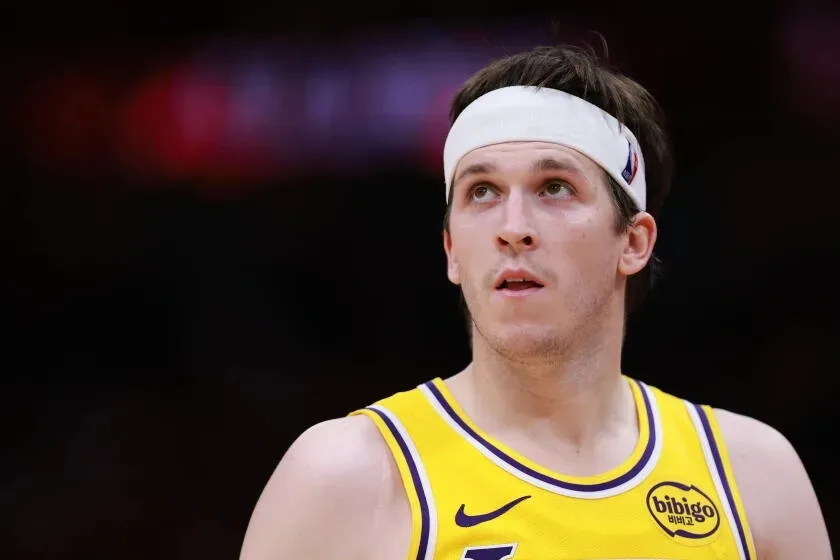
Head coach JJ Redick and the Lakers' coaching staff must now recalibrate the rotational blueprint. The transition impacts how perimeter roles are distributed across the nba starting lineup and the second unit. Bronny James’ path to rotational minutes alongside teammates such as Austin Reaves, D'Angelo Russell, and Rui Hachimura will largely depend on his ability to execute low-error defensive coverages, contest passing vectors without fouling, and maintain spacing along the perimeter arc.
As the Lakers enter their next phase of team construction, the focus shifts toward internal player development and schematic adjustments in the half-court.
0.84 points per possession allowed on direct isolation switches.