Reporting note: this article draws on sports.yahoo.com; LodiScore provides the summary and editorial framing.
Assessing Brooklyn's Rebuilding Architecture
NBA analysts are expressing measured optimism regarding the Brooklyn Nets' long-term trajectory, though questions remain about the timeline required for the franchise to construct a competitive foundation. As the front office resets its asset base, evaluating young personnel during developmental showcases like the Las Vegas Summer League has become central to mapping out their competitive horizon.
Evaluating Developmental Vectors
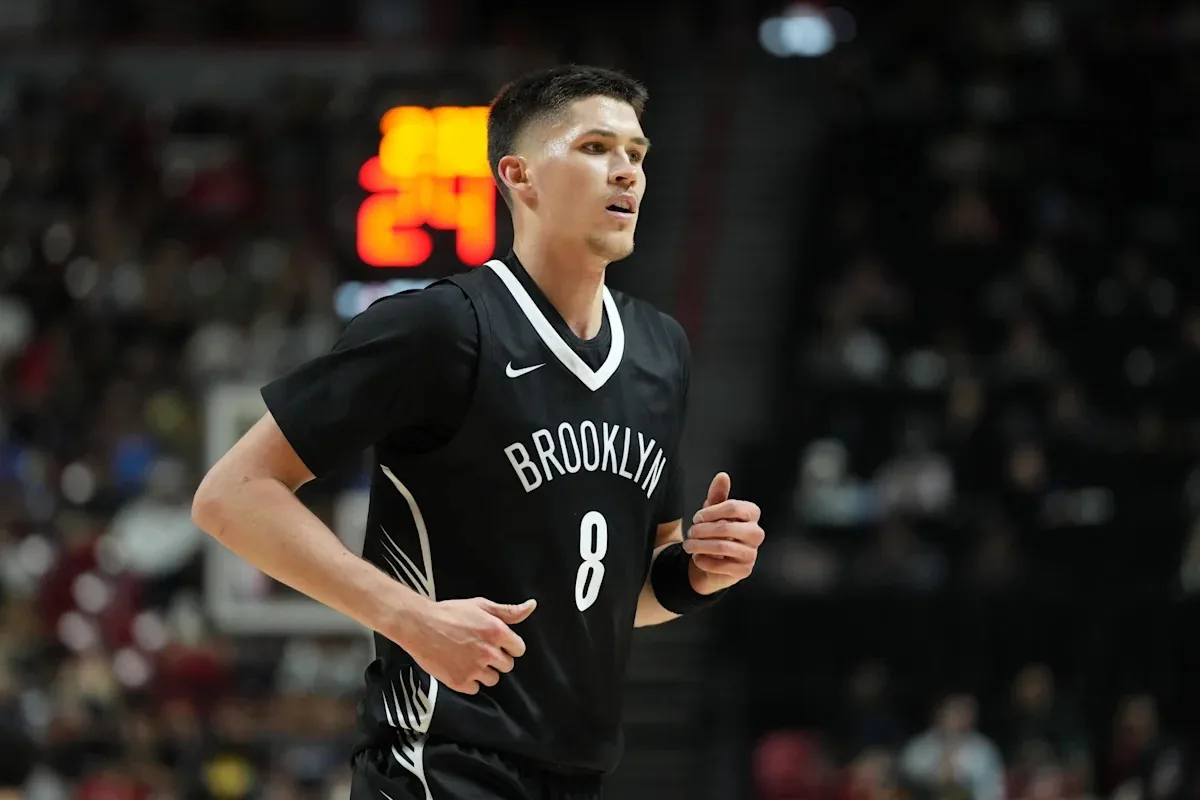
Brooklyn's rebuilding model relies heavily on incremental skill acquisition and defensive versatility from incoming talent, including prospects like Egor Demin. Summer League evaluation frames these assets not as finished products, but as load-bearing structural pieces. Analysts observing Brooklyn's early floor balance note that defensive mechanics—hip alignment on closeouts, switch communication, and weakside recovery paths—will determine how quickly these young contributors earn roles in a regular nba starting lineup.
Timeline Pressures and Structural Viability
While external evaluations endorse the direction of Brooklyn's roster construction, the principal debate centers on pace. Structural overhauls in modern basketball require multiple development cycles before translating into significant movement in the nba standing today. The front office faces the challenge of managing developmental minutes without compromising team defensive habits or floor spacing.


What to Watch Next
Brooklyn's coaching staff will continue testing rotation combinations throughout the developmental calendar, monitoring how young ball-handlers and perimeter stoppers handle primary defensive loads. The focus remains on sustainable growth vectors rather than accelerated win totals.
0.91 points per possession conceded on primary weakside rotations.