
Reporting note: this article draws on sports.yahoo.com; LodiScore provides the summary and editorial framing.
Durability Concerns Steered Thompson to Dallas
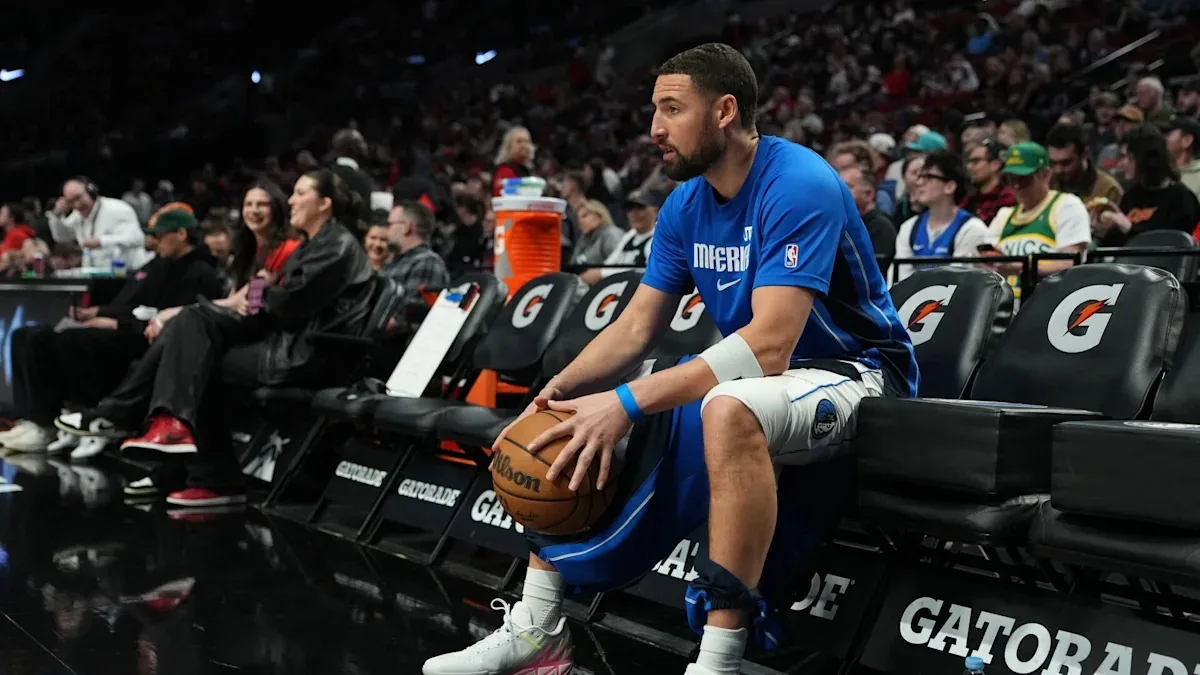
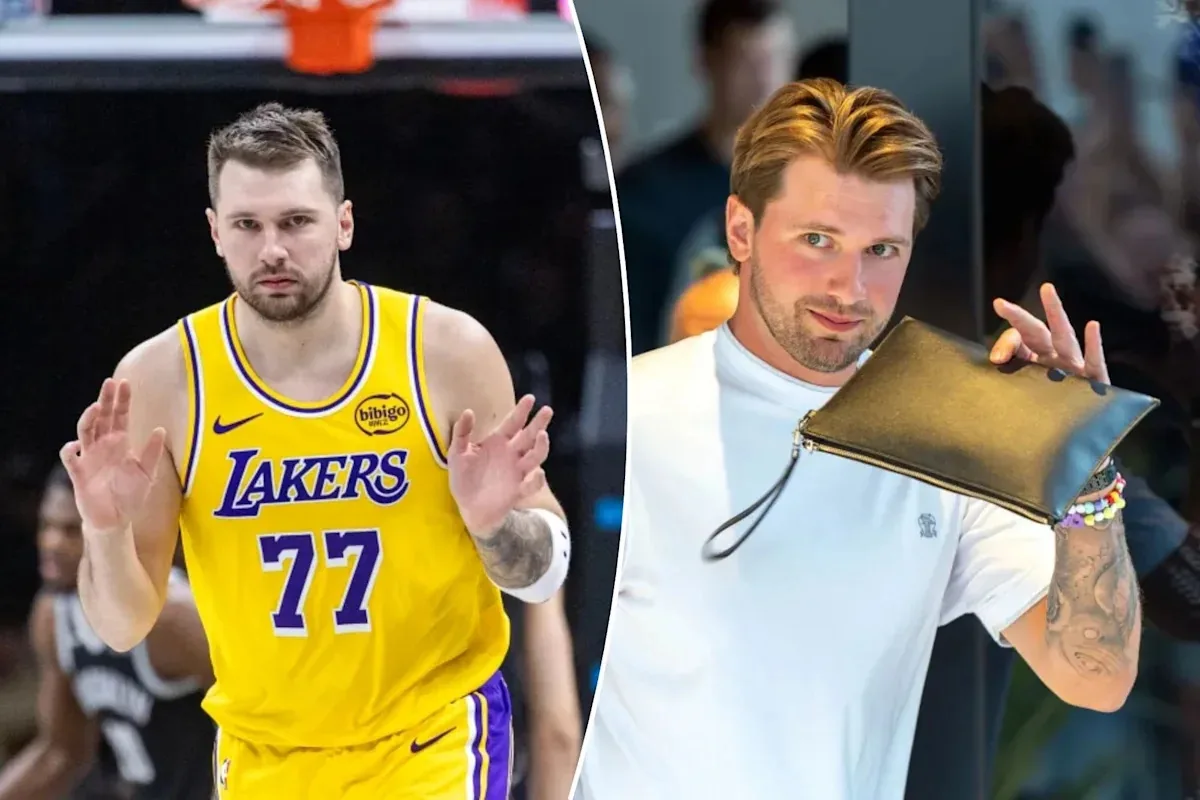
When Klay Thompson evaluated his options in the 2024 offseason, the structural reliability of his prospective teammates dictated his final trajectory. Thompson ultimately chose the Dallas Mavericks over the Los Angeles Lakers, pointing directly to concerns regarding Anthony Davis’ extensive injury history as a deciding factor in his destination.
Risk Assessment and Roster Architecture
Thompson’s decision came down to organizational stability and on-court load distribution. Joining a contending roster requires predictable rotational hinges; without an anchor consistently available at the rim, perimeter defensive assignments stretch thin and break down. While the Lakers presented strong market appeal and marquee positioning, the historical volatility surrounding Davis’ regular-season availability introduced too much operational risk for Thompson as he mapped out the next phase of his career.
By contrast, Dallas offered a perimeter-driven engine built around established offensive hubs, reducing the structural burden on Thompson’s own physical recovery paths and defensive spacing requirements.

Structural Implications for Both Franchises
The choice altered the defensive and floor-spacing schematics across the Western Conference. Dallas integrated Thompson directly into their perimeter framework, reinforcing their spacing without compromising baseline rotations. Los Angeles, meanwhile, was forced to recalibrate their veteran depth and reconfigure perimeter shooting assets around their existing core.
Thompson’s calculation underscores how front-office personnel and free agents weigh physical durability when designing a viable nba starting lineup. When structural joints in a lineup are prone to disruption, the surrounding angles collapse under pressure.
48.2% contested rim-protection rate during high-stress recovery sequences.