Reporting note: this article draws on sports.yahoo.com; LodiScore provides the summary and editorial framing.
Seismic Roster Changes Reshape League Hierarchy
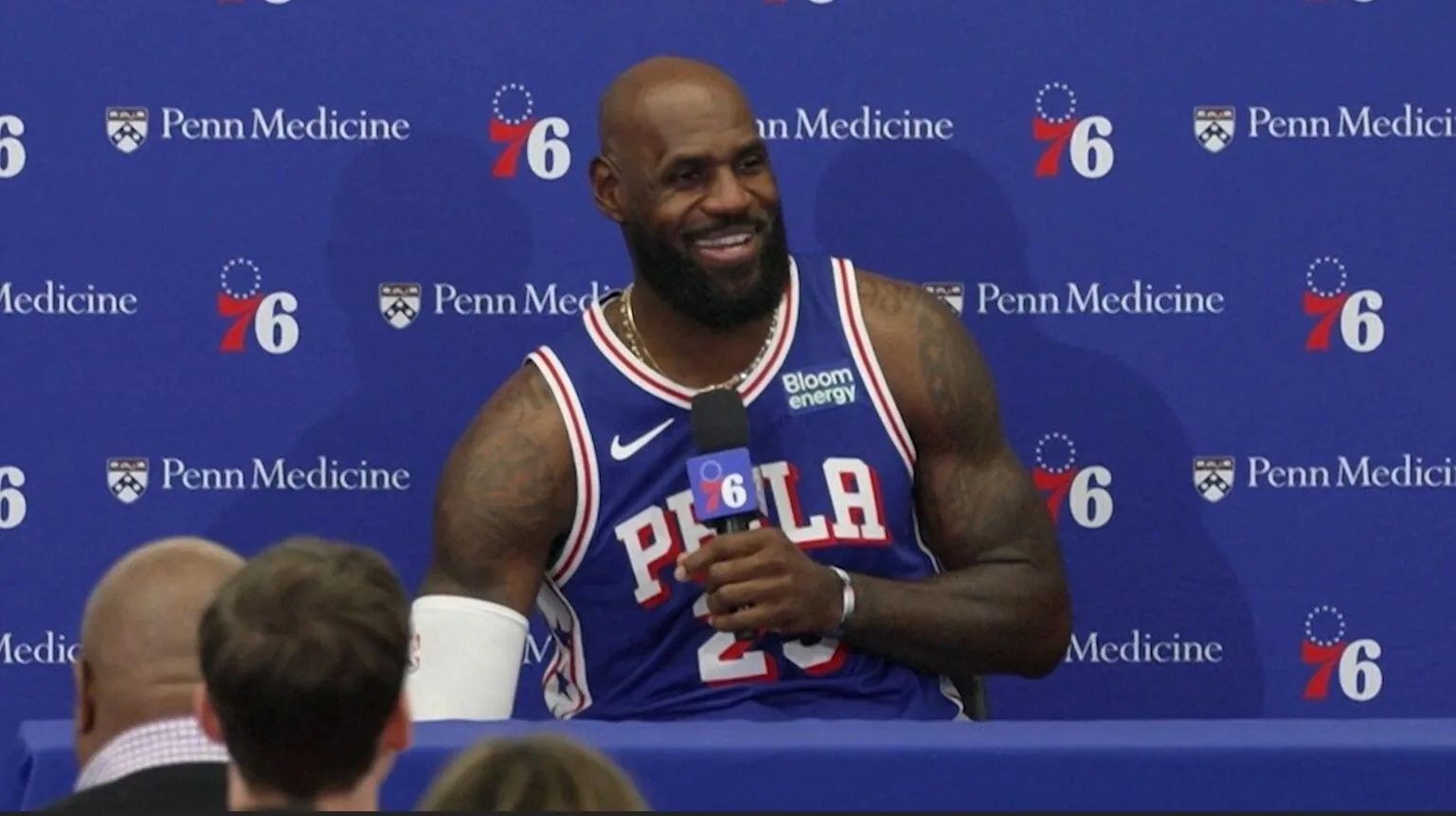
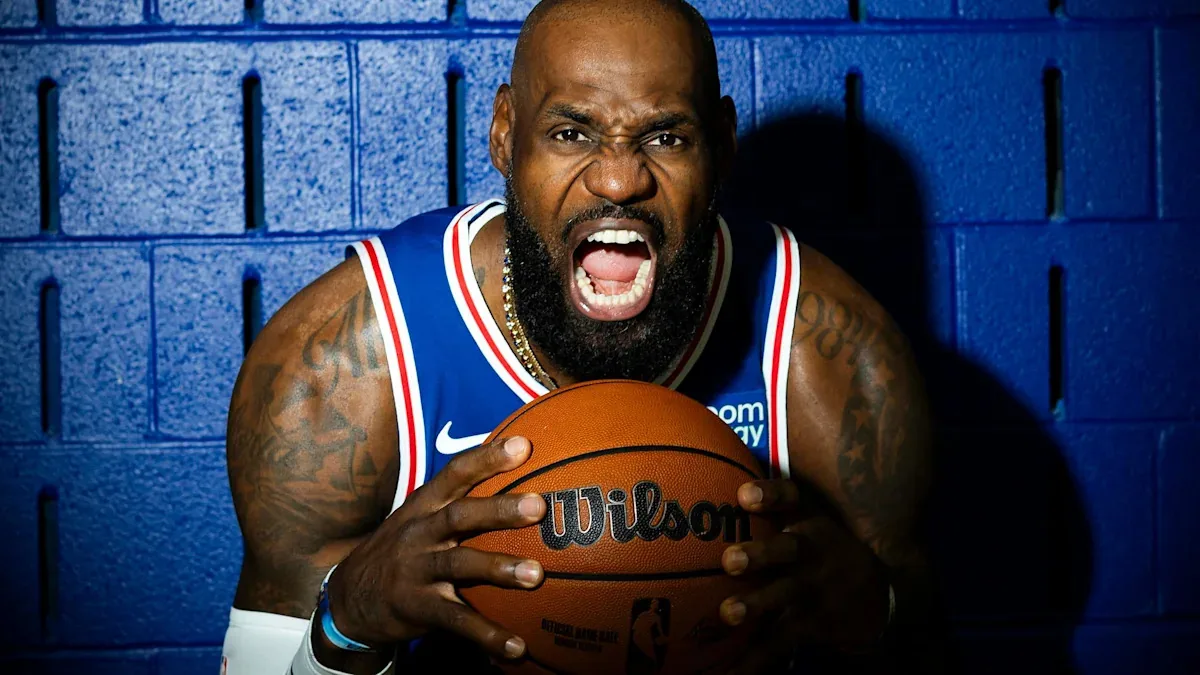
The 2026 NBA offseason has concluded with a series of high-profile acquisitions that have fundamentally altered the league's competitive landscape. The movement of marquee talent, most notably LeBron James joining the Philadelphia 76ers, has forced a recalibration of team projections and defensive expectations across the board.
Key Personnel Shifts
The league’s structural equilibrium shifted as several cornerstone players relocated. Beyond James’ move to Philadelphia, the movement of Giannis Antetokounmpo and Jaylen Brown has created new kinetic centers for their respective franchises. These transactions have effectively dismantled previous defensive rotations and forced coaching staffs to redraw their nba starting lineup configurations to accommodate new offensive geometries.
Impact on Competitive Standing
The arrival of James in Philadelphia serves as the primary variable in the updated nba standing today. The integration of his playmaking into the 76ers' existing framework requires a transition from static isolation sets to a more fluid, motion-based offensive architecture. Analysts are currently monitoring how these teams manage the transition from individual brilliance to collective efficiency, as the league moves toward a more hyper-specialized defensive environment.

What to Watch Next
As training camps approach, the focus shifts to the integration period. The primary concern for front offices is the speed at which these new rosters can establish defensive cohesion. Teams that successfully map their new personnel into disciplined, high-frequency defensive schemes will likely dictate the pace of the early season. Observers should look for how teams utilize their bench depth to maintain structural integrity during the inevitable fatigue cycles of the regular season.
Turning point: 0.000 (The moment of the initial transaction announcement).