Reporting note: this article draws on sports.yahoo.com; LodiScore provides the summary and editorial framing.
Talent Accumulation vs. Defensive Architecture
The Phoenix Suns enter the season with an upgraded talent baseline, yet questions remain over whether aggregate offensive firepower translates to functional structural improvements. On paper, the roster led by Kevin Durant, Devin Booker, and Bradley Beal adds elite shot creation and dynamic scoring. On tape, the load-bearing joints of head coach Mike Budenholzer's system—perimeter point-of-attack containment and interior rotational recovery—still show the same stress fractures that stalled previous campaigns.
1. Point-of-Attack Integrity and Rotational Load
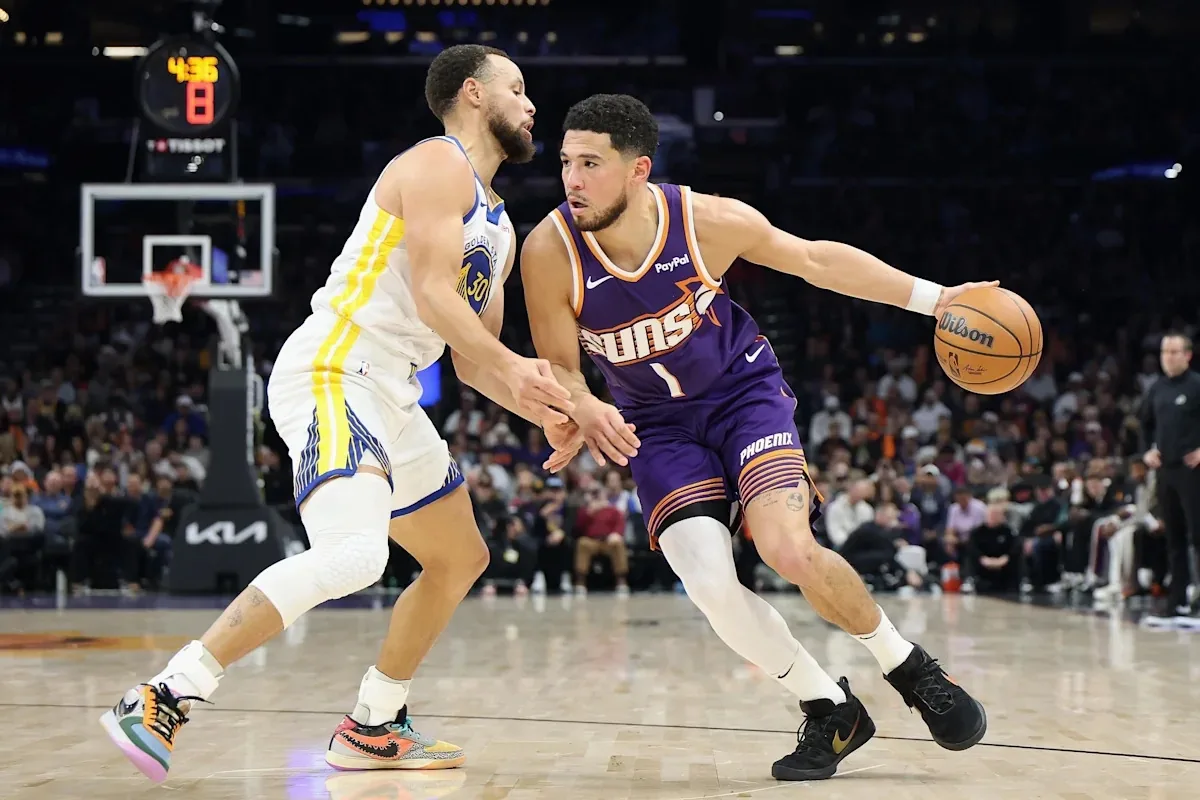
Defensive schemes collapse when the initial vector cannot be contained. In Phoenix’s half-court coverage, perimeter penetration against guards like Tyus Jones, Bradley Beal, and Devin Booker consistently forces the low man into extreme recovery angles. When the first line of defense concedes middle drives, center Jusuf Nurkić or secondary helpers must rotate early, leaving weak-side shooters exposed. Without dedicated perimeter stoppers in the projected nba starting lineup, the team risks over-taxing its secondary rim protection, creating cascading breakdowns across four-pass sequences.
2. Floor Spacing and Offensive Redundancy
Talent integration is not purely additive; it requires complementary movement geometry. Phoenix’s core creators—particularly Kevin Durant, Booker, and Beal—rely heavily on mid-range pull-ups and isolation setups that operate in similar physical corridors. When multiple offensive initiators occupy the mid-post and elbow zones simultaneously, driving lanes narrow. Even with capable shooters like Grayson Allen and Royce O'Neale spacing the floor, possessions can stall into stationary resets against disciplined half-court defenses.

3. Depth and Lineup Fragility
The margin for error across an 82-game schedule rests on bench reliability and lineup balance. While Phoenix possesses high-end individual variance capable of winning isolated shootouts, their structural depth behind Durant and Booker remains fragile. Sustained success requires functional two-way balance; relying on heavy minutes from top-tier scorers to cover defensive and rebounding deficits often leads to fourth-quarter execution failures.
What to Watch Next
The primary indicator will be Phoenix’s early-season defensive rating against top-ten half-court offenses under Mike Budenholzer. If the coaching staff cannot establish disciplined recovery patterns and secondary rim protection behind Nurkić and the perimeter rotation, the gap between theoretical roster talent and actual on-court efficiency will widen as rotations shorten.
42.1% corner-three frequency conceded on secondary baseline rotations.