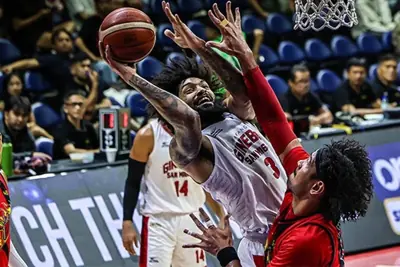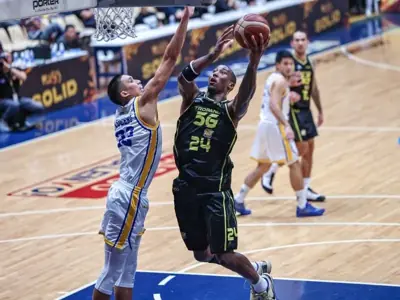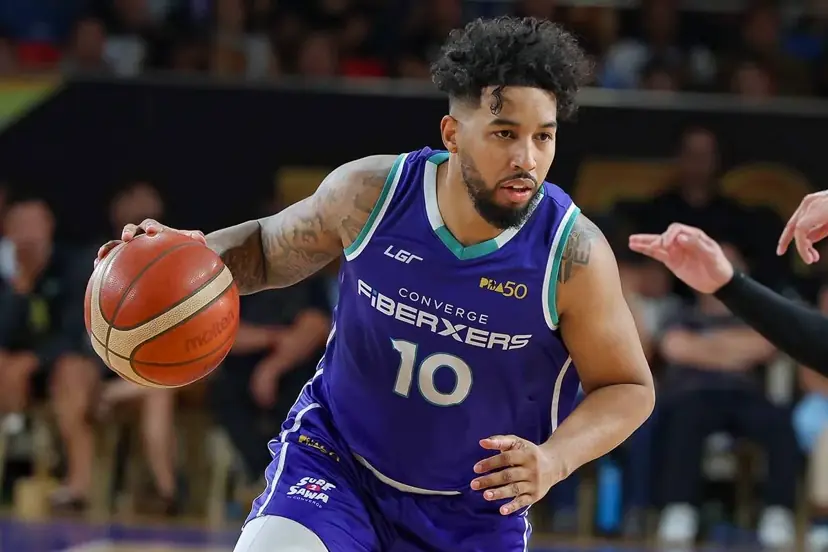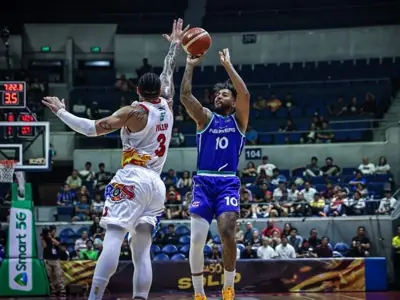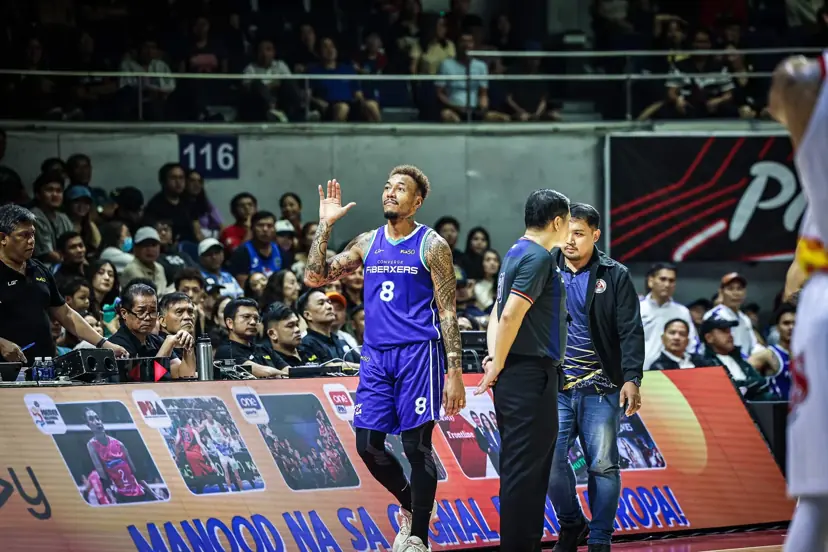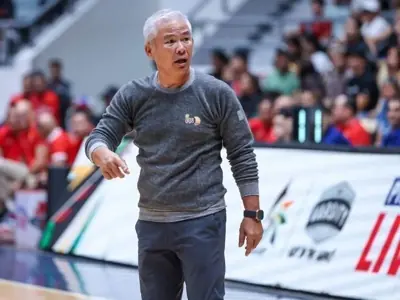

Retired PBA champion PJ Simon collapsed during a basketball game in Davao on Friday night and was declared dead on arrival at the hospital. He was 46. The loss of a player who built a career from the 43rd pick of the draft into an eight-time champion has been met with tributes across Philippine basketball.
But the grief has been sharpened by what happened at the venue. According to accounts cited by philstar.com, no one in the gym attempted cardiopulmonary resuscitation while Simon lay on the floor, a gap that coaches and team staff say is neither new nor limited to professional-level events.
What happened in Davao
Simon collapsed during a game on Friday night and was pronounced dead on arrival at a hospital. Rain or Shine coach Yeng Guiao, who reviewed video of the incident, said the response on site was not CPR.


“Problem is nobody really knew how to administer CPR. Tinignan ko ang video, nobody even attempted (CPR). Merong nagpapaypay, merong nagmamasahe. But that’s not going to help sa sitwasyon.”
Guiao said the scene reminded him of Samboy Lim, the PBA legend who went into cardiac arrest while playing in 2014 and suffered severe brain damage because no one at the venue knew CPR. Lim died in 2023.
“Parang ‘yung sitwasyon niya hindi nalalayo sa nangyari kay Samboy.”
The Samboy Lim Law and the funding problem
Guiao authored Republic Act No. 10871, the Basic Life Support Training in Schools Act of 2016, widely known as the “Samboy Lim Law.” He argued that if the measure were being carried out, more people in gyms and parks would be equipped to respond to a collapse.
“Nasasayangan ako, nalulungkot ako. Law na ito and all it needs is implementation. But the problem is funding kaya hindi pa ma-implement.”
He added that Simon's death was not unavoidable in principle, and that the same emergency can occur away from any court.
“’Yung nangyari kay PJ is avoidable sana. And it can happen to anyone, in malls, in our homes so dapat alam natin mag-CPR.”
Medics on site, or a defibrillator
Aldo Panlilio, the strength and conditioning coach of San Miguel Beer who also plays in recreational leagues, said organizers should treat medical cover as a fixed cost rather than an optional one.
“Sa mga organizer ng mga liga, clinic at event ng kahit anong sports, dapat automatic na may medic as part of the league/event na present at all times.”
“Don’t be cheap. You can raise the prices of your league/event, people will still pay (entry fees). Better safe than sorry.”
Guiao offered a second route: automated external defibrillators, portable devices that analyze heart rhythm during sudden cardiac arrest and deliver a shock to restore a normal beat. The obstacle is price. The units cost between P50,000 and P250,000 each, according to the report.
“Kung merong ganyan sa bawat venue, makakatulong din. Instead of keeping a medical team which is logistically difficult, pwede rin AEDs in the games.”
Tributes for a player who came from nowhere
Simon won eight PBA titles with the Purefoods franchise, including the 2014 grand slam, after entering the league as the 43rd overall pick. His former coach Tim Cone remembered both the career and the person.
“Oh PJ, you left us too soon. Showed us that you can come from anywhere and become a star with hard work and perseverance.”
“What a humble man he was. What a great teammate. We will miss you on and off the court.”
Analysis: where the practical gap sits
The proposals raised here are not about elite competition. They concern the ordinary gym, the barangay league and the corporate tournament, where entry fees are collected but medical cover often is not. A school-based CPR law and a portable defibrillator address different parts of the same problem: one trains bystanders, the other equips the room.
Neither is a guarantee. What the accounts of both Lim and Simon point to is time — the minutes before an ambulance arrives, when the only people present are players, referees and spectators. Whether leagues will now budget for that window is the question organizers face.
This article draws on reporting by philstar.com.