Reporting note: this article draws on sports.yahoo.com; LodiScore provides the summary and editorial framing.
Evaluating Late-Offseason Depth and Roster Margins
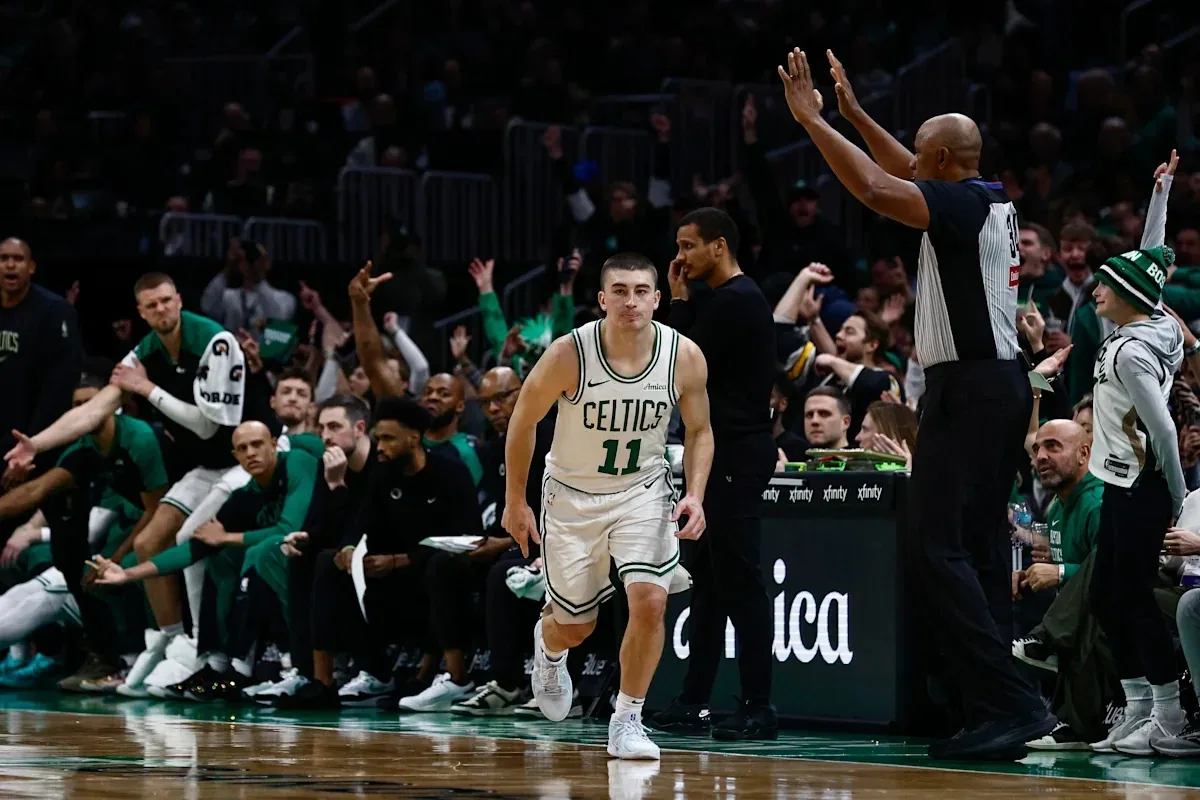
As late-August roster evaluations settle across the league, the Boston Celtics continue monitoring structural depth and fringe contract talent to reinforce their rotation. The late summer period serves as an assessment window for front offices reviewing summer league movement patterns and two-way developmental assets to support the core rotation.
Defensive Load and Fringe Roster Evaluation
Building sustainable depth requires disciplined weakside integrity and secondary rim protection. Players evaluating opportunities across the league, such as Maozinha Pereira during his recent run with the Chicago Bulls in Las Vegas against the Milwaukee Bucks, demonstrate how modern frontcourts rely on quick-twitch recovery vectors and vertical contest capacity. In modern defensive architecture, rotational players must operate as secondary cantilevers, absorbing perimeter blow-bys before resetting the floor geometry.
For Boston, late-summer considerations center on maintaining continuity within the primary rotation while identifying athletes capable of executing structured drop coverage and high-stress baseline rotations without compromising the broader defensive shell.


Rotational Balance and Structural Alignment
Maintaining position atop the nba standing today demands precise resource management. While the frontline anchors dictate the primary scheme, back-end roster management determines how effectively a team handles transition loads and regular-season fatigue. A functional nba starting lineup requires support from versatile wings and mobile bigs capable of closing out on shooters on the catch without surrendering baseline penetration.
What to Watch Next
Boston's focus turns toward finalizing training camp rosters and two-way commitments ahead of autumn preparation. Front offices will continue evaluating tape from Las Vegas to determine which developmental wings and frontcourt stabilizers fit their defensive schematics.
45.8% contested rebound rate on secondary baseline rotations.