Reporting note: this article draws on sports.yahoo.com; LodiScore provides the summary and editorial framing.
Evaluating Payton Pritchard's Structural Role in Boston
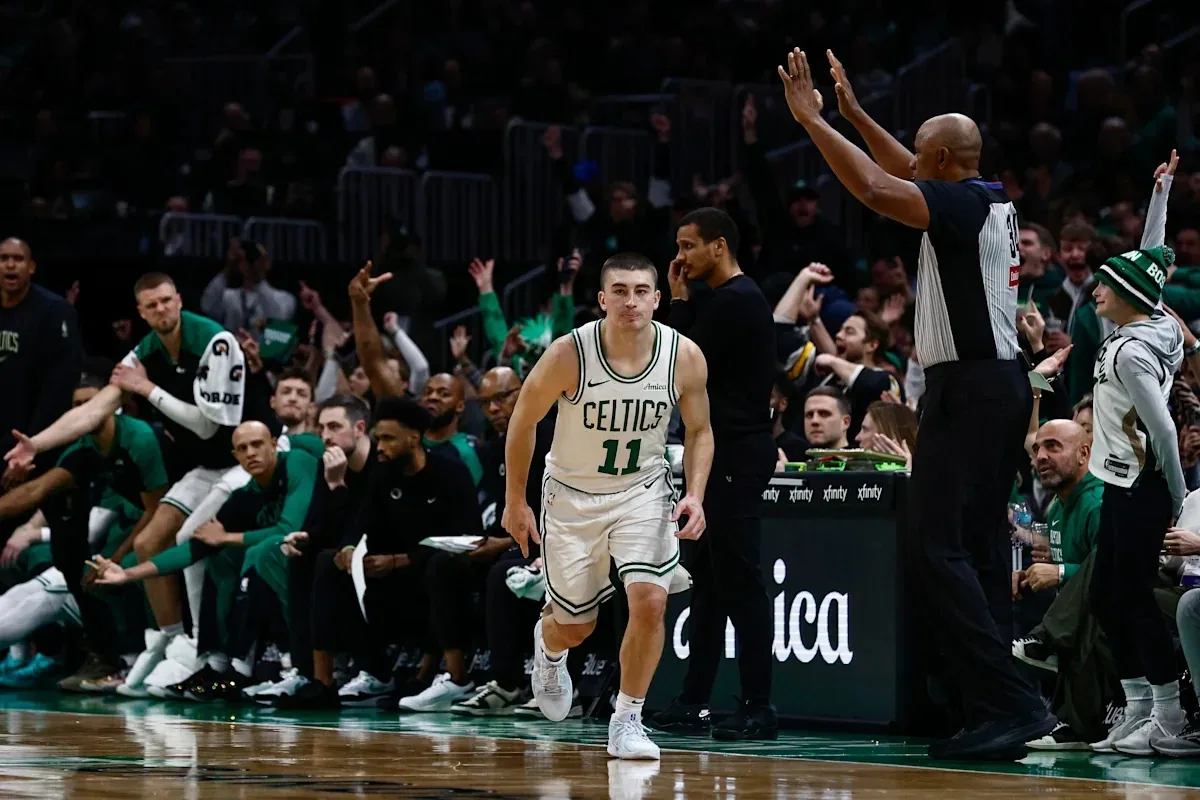
Fan sentiment remains divided over Payton Pritchard’s optimal placement within the Boston Celtics rotation. Following his 2025 Sixth Man of the Year campaign and high-leverage minutes as a spot starter, the organization faces a functional dilemma: whether to anchor Pritchard in the second unit or elevate him permanently into the opening group. With two years remaining on his current contract, Boston holds contractual stability as they weigh how to deploy his perimeter gravity alongside stars like Jayson Tatum and Jaylen Brown.
Perimeter Spacing and Rotational Balance
Pritchard operates as an immediate release valve in half-court sets. His low-center-of-gravity handling and rapid trigger pull defensive cantilevers toward the perimeter, opening driving lanes for primary creators like Tatum and Brown. Integrating him directly into the nba starting lineup alongside backcourt anchors Jrue Holiday and Derrick White alters the team's spacing geometry from the opening tip, punishing aggressive pick-and-roll coverage and demanding immediate baseline rotations from opposing defenses.
However, shifting Pritchard to the first unit changes the structural integrity of Boston’s second unit. As a reserve, he functions as the central load-bearing creator against opposing bench units, sustaining offensive flow without requiring heavy rotation overlaps from Boston’s primary starters. His posture off the ball—constantly recalculating foot placement along the arc—forces help defenders to stay pinned to the weak-side corner.

What Comes Next
With Pritchard locked into his deal for the next two seasons, head coach Joe Mazzulla and the coaching staff maintain flexibility across matchups. Boston’s rotational blueprint will depend on whether game flow demands an immediate perimeter barrage or sustained bench scoring to absorb non-starter minutes.
0.42 seconds catch-to-release time on above-the-break three-point attempts.