Reporting note: this article draws on sports.yahoo.com; LodiScore provides the summary and editorial framing.
Championship Architecture Built to Withstand Stress
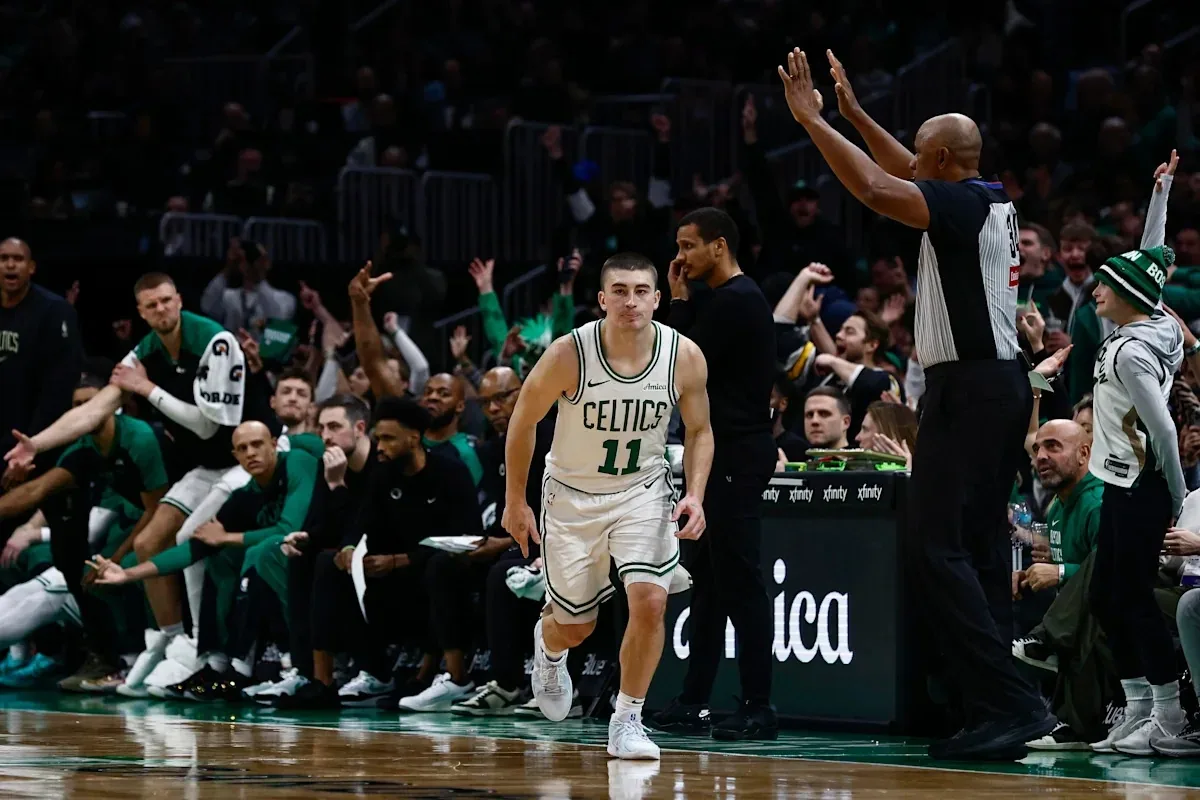
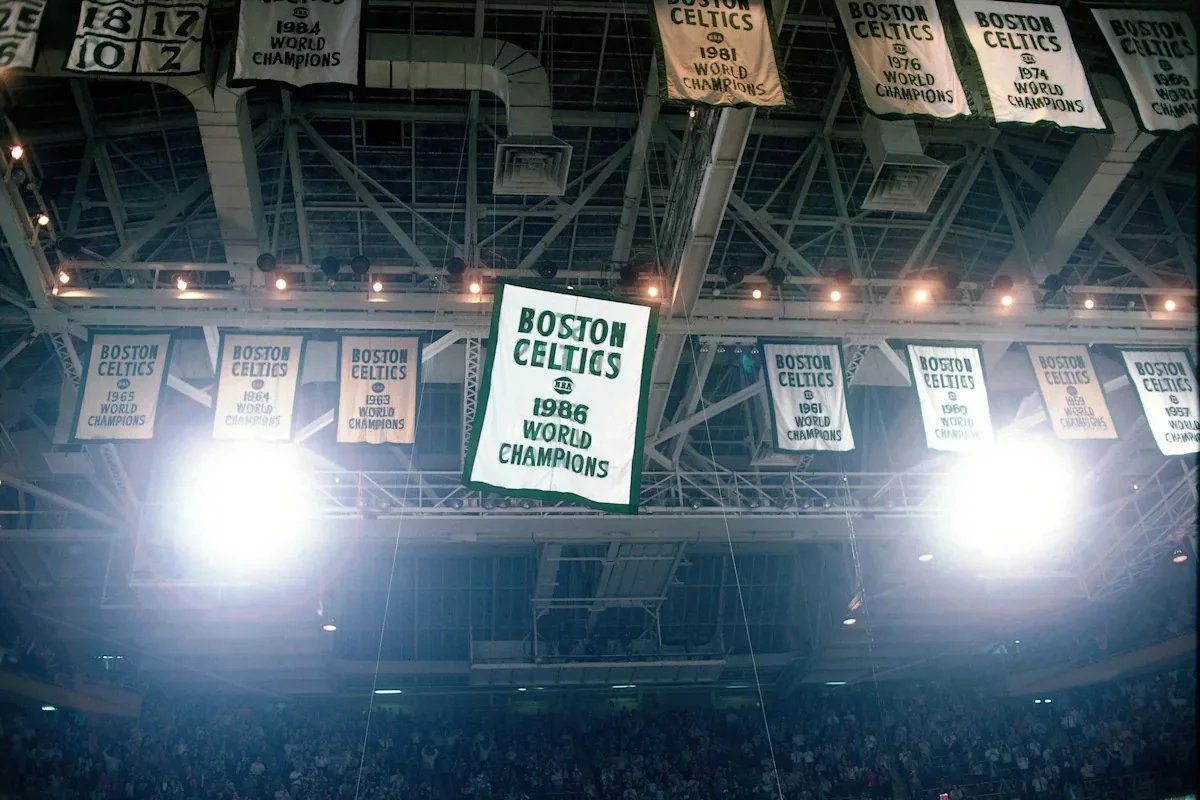
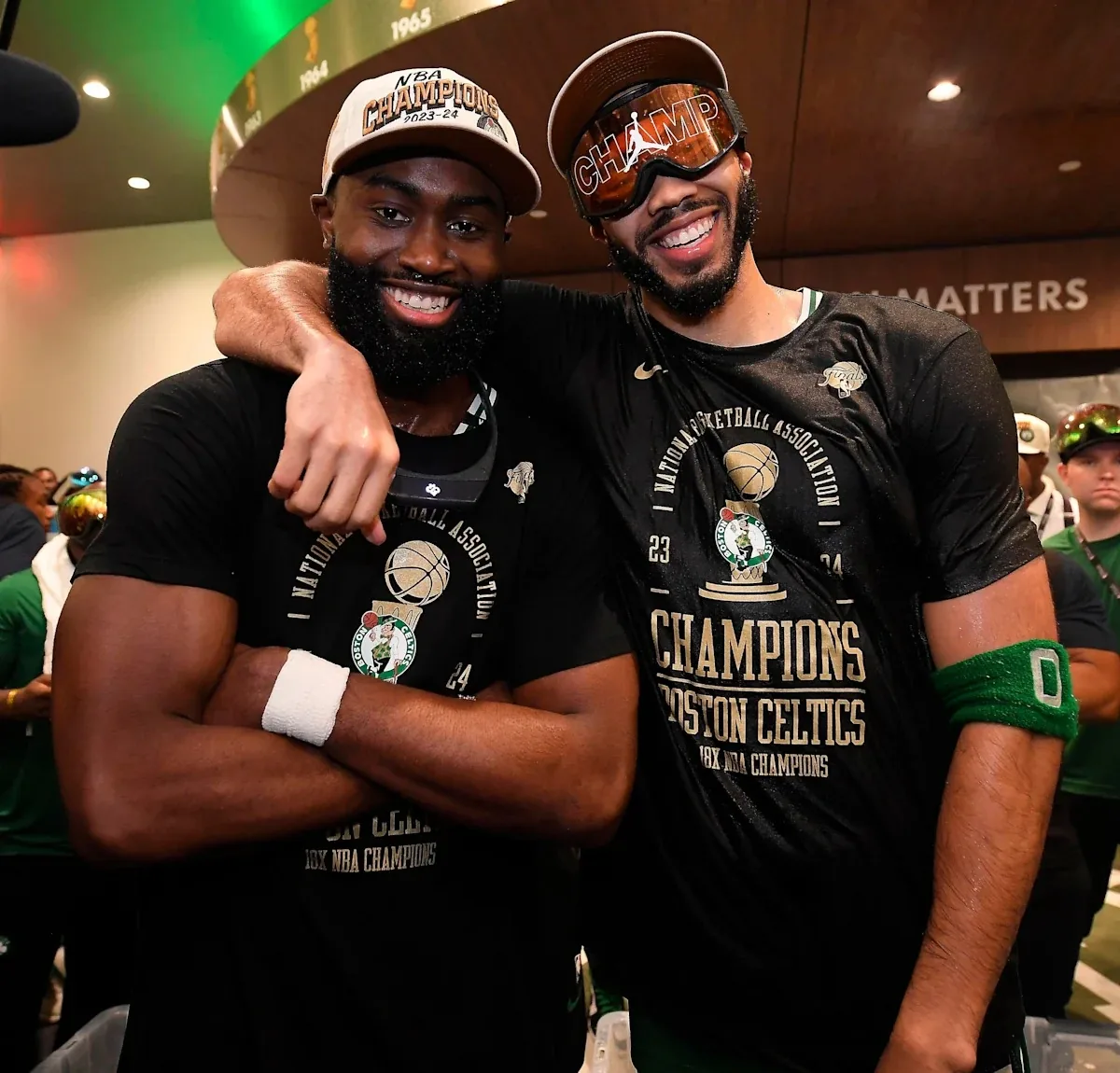
The Boston Celtics closed out their 18th championship with a decisive 106-88 victory over Luka Dončić, Kyrie Irving, and the Dallas Mavericks in Game 5 of the 2024 NBA Finals at TD Garden. The clinching contest on June 17, 2024, completed a postseason run engineered by head coach Joe Mazzulla and defined less by traditional superstar isolation and more by absolute spatial containment across five positions.
Geometric Containment in the Finals
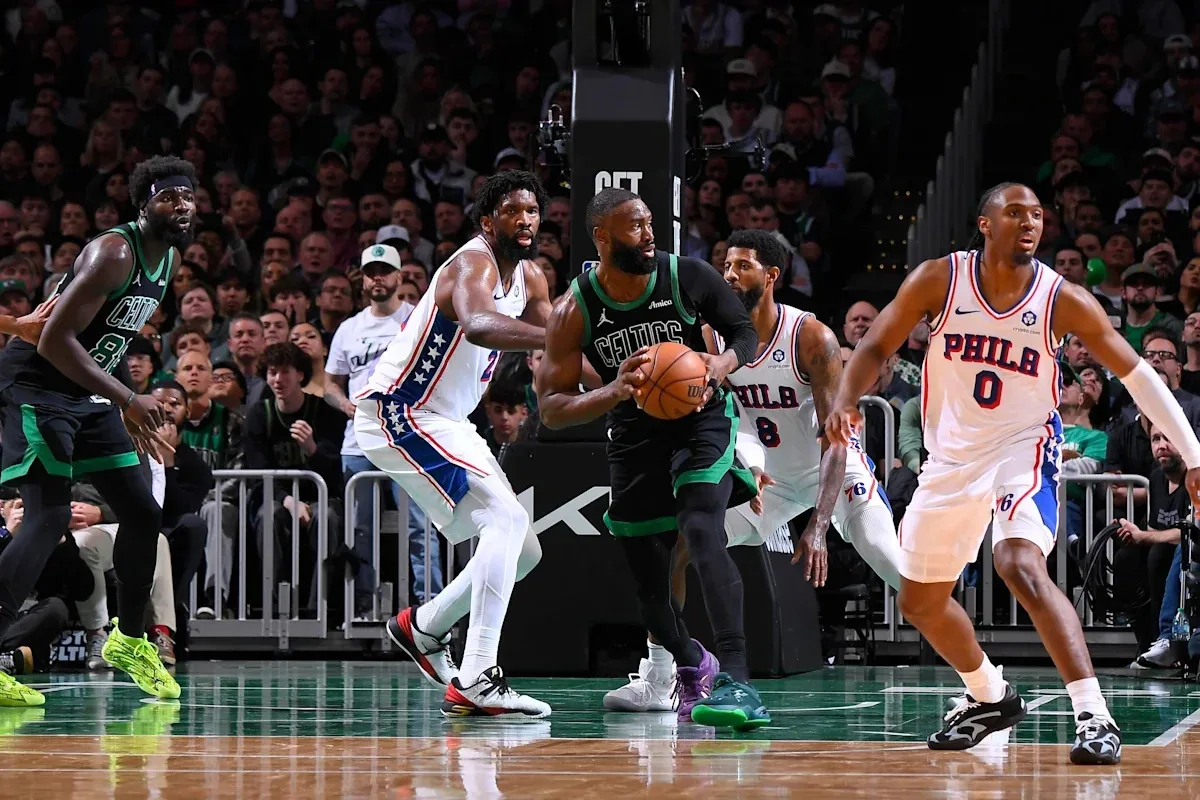
Boston dismantled Dallas through continuous, load-bearing defensive rotations. Instead of over-committing to initial drives from Dončić and Irving, Celtics perimeter defenders Jrue Holiday and Derrick White held sharp hip angles, funneling primary ball-handlers directly into calculated help zones patrolled by Kristaps Porziņģis and Al Horford. The movement functioned like a cantilever: as the primary point of attack absorbed pressure, weak-side defenders adjusted along exact 45-degree vectors, sealing the corners and eliminating kick-out passing lanes.
Finals MVP Jaylen Brown and All-NBA forward Jayson Tatum anchored these perimeter shifts and two-way actions, maintaining chest-to-chest positioning that denied baseline leverage while controlling offensive tempo. The balance across the entire rotation minimized structural failure points, preventing Dallas from generating the corner-three volume that fueled their earlier playoff rounds. The versatility of Boston's five-out personnel allowed the team to execute seamless switch patterns without conceding mismatches inside.


Roster Construction in a Post-Superteam League
Boston's title run highlights a front-office shift under president of basketball operations Brad Stevens toward complete two-way utility across the floor. Rather than relying on top-heavy star pairings, the organization assembled a balanced unit where every member of the core rotation possessed the length to contest and the lateral recovery speed to close down secondary actions. This design proved durable across four playoff series, dictating tempo and imposing geometric control in half-court sets.
Game 5, Boston Celtics vs. Dallas Mavericks: 106-88, defensive rebound rate 81.4%.