Reporting note: this article draws on sports.yahoo.com; LodiScore provides the summary and editorial framing.
Darryn Peterson’s Kinetic Shift
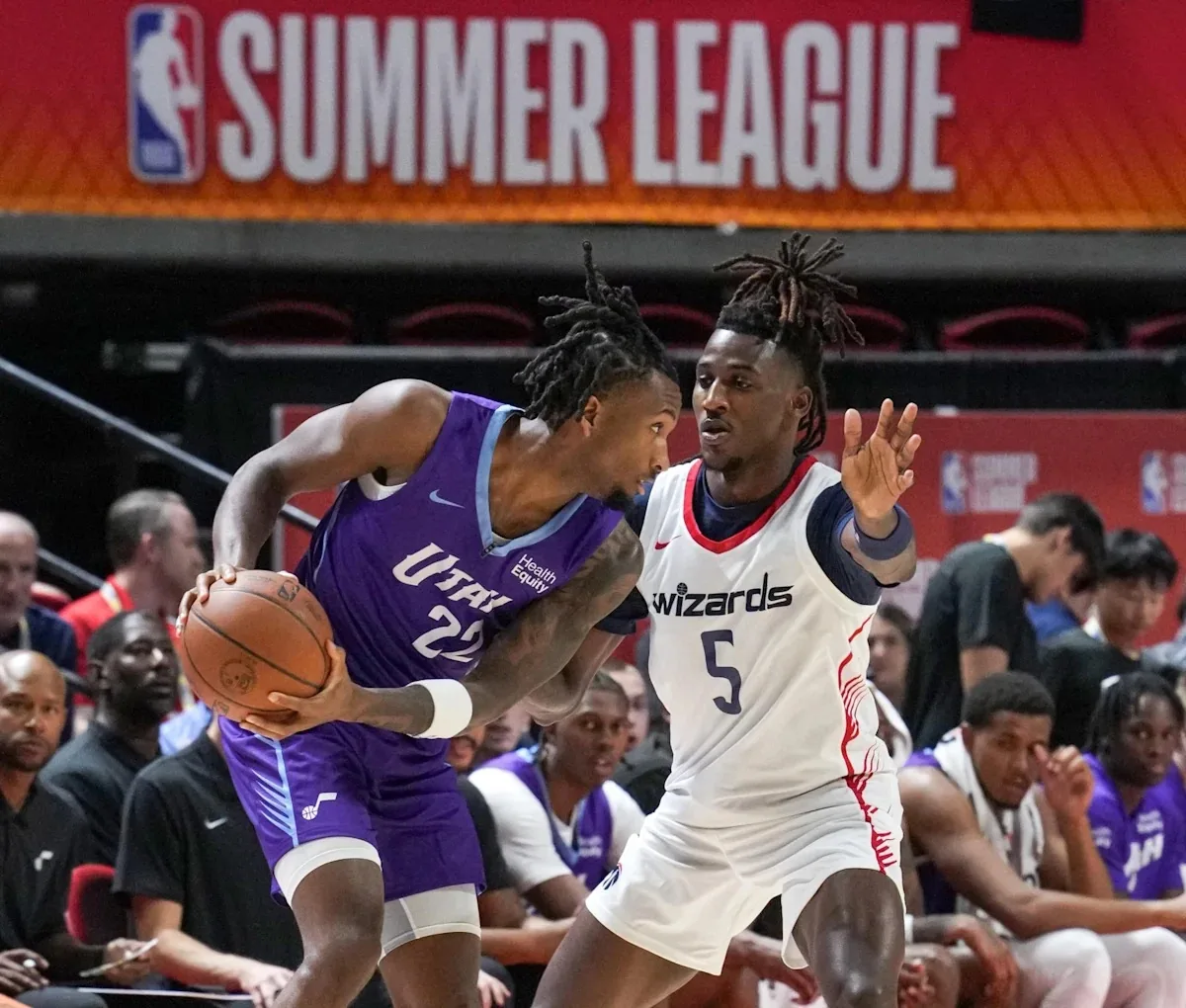
Darryn Peterson’s performance during the 2026 NBA Summer League in Las Vegas has drawn significant attention to his technical proficiency, specifically his ability to manipulate defensive geometry through a high-velocity crossover. During a matchup against the Washington Wizards, Peterson’s movement patterns forced defenders into compromised stances, effectively collapsing defensive shells.
Anatomy of the Move
Peterson utilizes a rhythmic, syncopated dribble to dictate the pace of his offensive initiation. By shifting his center of gravity rapidly, he forces opponents to adjust their defensive alignment in real-time. His ability to execute these transitions at full speed serves as a primary indicator of his potential to disrupt established nba starting lineup configurations at the professional level.
Impact on Defensive Rotations
The efficiency of Peterson’s crossover lies in his capacity to freeze defenders before accelerating into open space. By forcing the primary defender to reset their feet, he creates a cascading effect that pulls secondary help defenders out of position. This spatial manipulation is a critical skill set for any prospect looking to secure a permanent role within an nba standing today.

What Comes Next
While Summer League serves as a controlled environment, Peterson’s technical execution suggests he is prepared for higher-level defensive pressure. Observers should monitor his decision-making speed when faced with double-teams and his ability to maintain this offensive rhythm against more seasoned defensive rotations. His development remains a focal point for those tracking the next generation of perimeter threats.
1.2 seconds: The duration of the defensive collapse following the initial crossover shift.