Reporting note: this article draws on sports.yahoo.com; LodiScore provides the summary and editorial framing.
The Hidden Infrastructure of Las Vegas
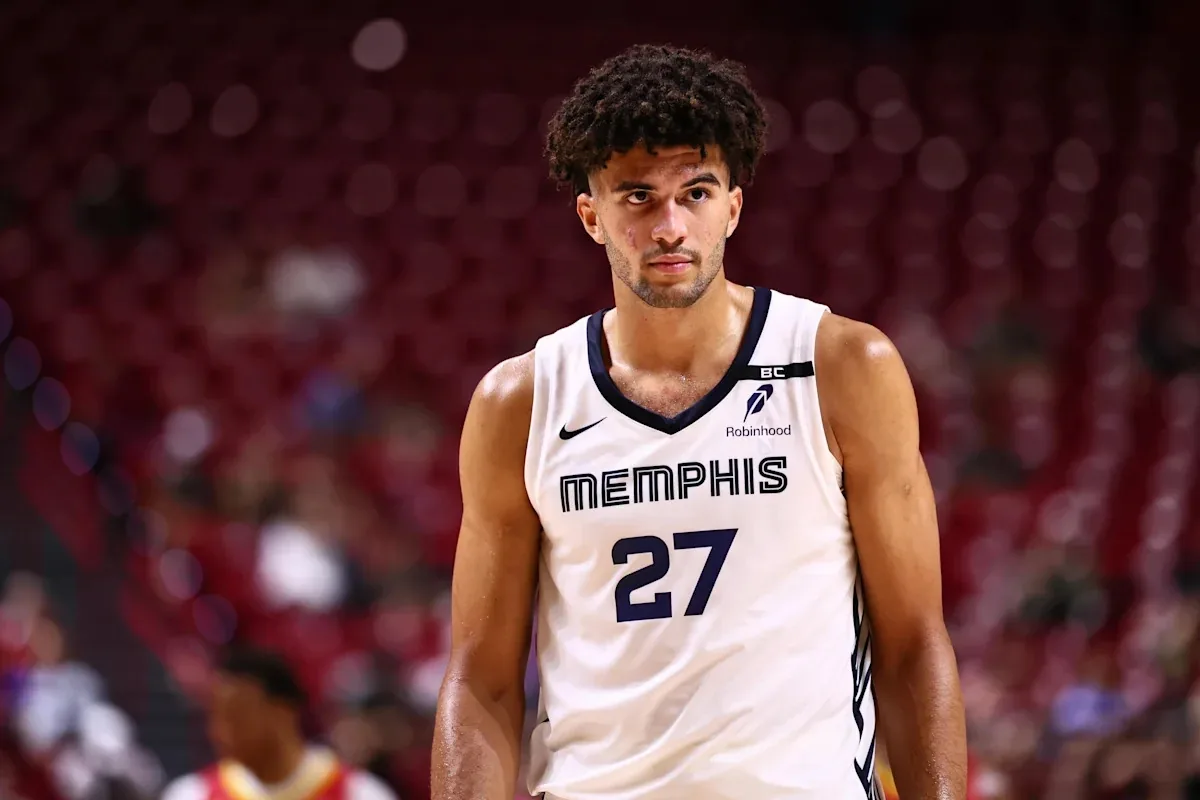
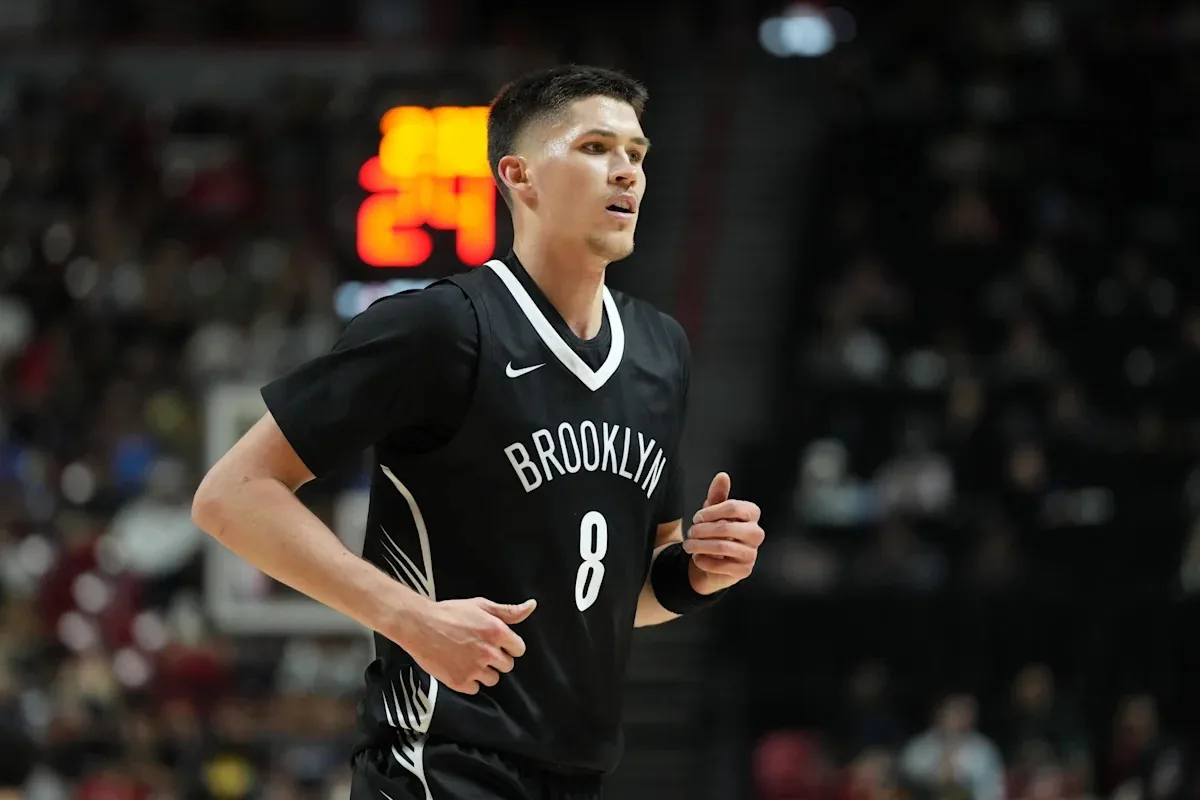
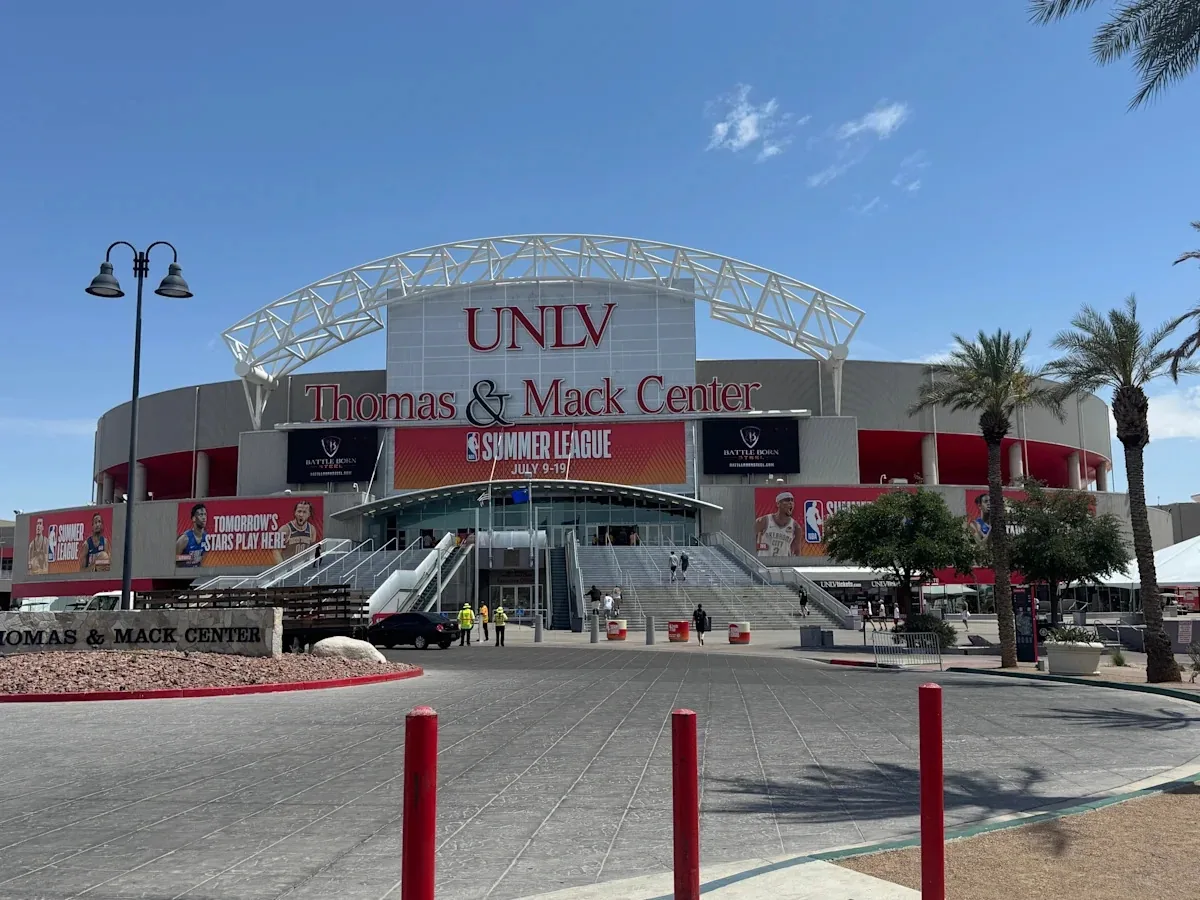
While the Las Vegas Summer League is marketed as a platform for rookie evaluation, its primary utility functions as an industry-wide summit. The event serves as the central node for front-office personnel, agents, scouts, and coaching staff to consolidate professional networks outside the high-pressure environment of the regular season.
The Architecture of Opportunity
The tournament floor acts as a kinetic grid where career trajectories are recalibrated. For front-office executives, the value lies in the proximity to peers, allowing for the rapid exchange of information regarding roster construction and potential trade assets. This environment facilitates the informal vetting process that precedes formal transactions, often proving more consequential than the individual performance of any specific NBA starting lineup.
Professional Development in Real-Time
For coaching staffs, the Summer League is a laboratory for tactical experimentation. It is where assistants test defensive rotations and offensive sets away from the scrutiny of the NBA standing today. The ability to manage a roster under these conditions serves as a primary metric for career advancement, as front offices observe how coaches handle high-turnover environments and player development mandates.


What to Watch Next
Observers should look past the final scores to track the movement of personnel between games. The most significant developments often occur in the corridors and suites, where the groundwork for future roster moves is laid. The true measure of the event's success is not found in the box score, but in the subsequent staffing changes and trade discussions that emerge in the weeks following the tournament.
4:1 (The ratio of off-court personnel meetings to on-court possessions during the final three days of the tournament).