
Reporting note: this article draws on sports.yahoo.com; LodiScore provides the summary and editorial framing.
Evaluating the Eastern Conference Offseason Landscape
With the majority of summer roster maneuvers finalized, the Eastern Conference landscape has undergone a significant structural shift. The Philadelphia 76ers emerge as the clear frontrunners, earning an 'A' grade for their aggressive and precise reconfiguration of the roster. While other franchises have made incremental adjustments, the 76ers' ability to align their personnel with a clear championship trajectory sets them apart from the rest of the conference.
The 76ers' Strategic Alignment
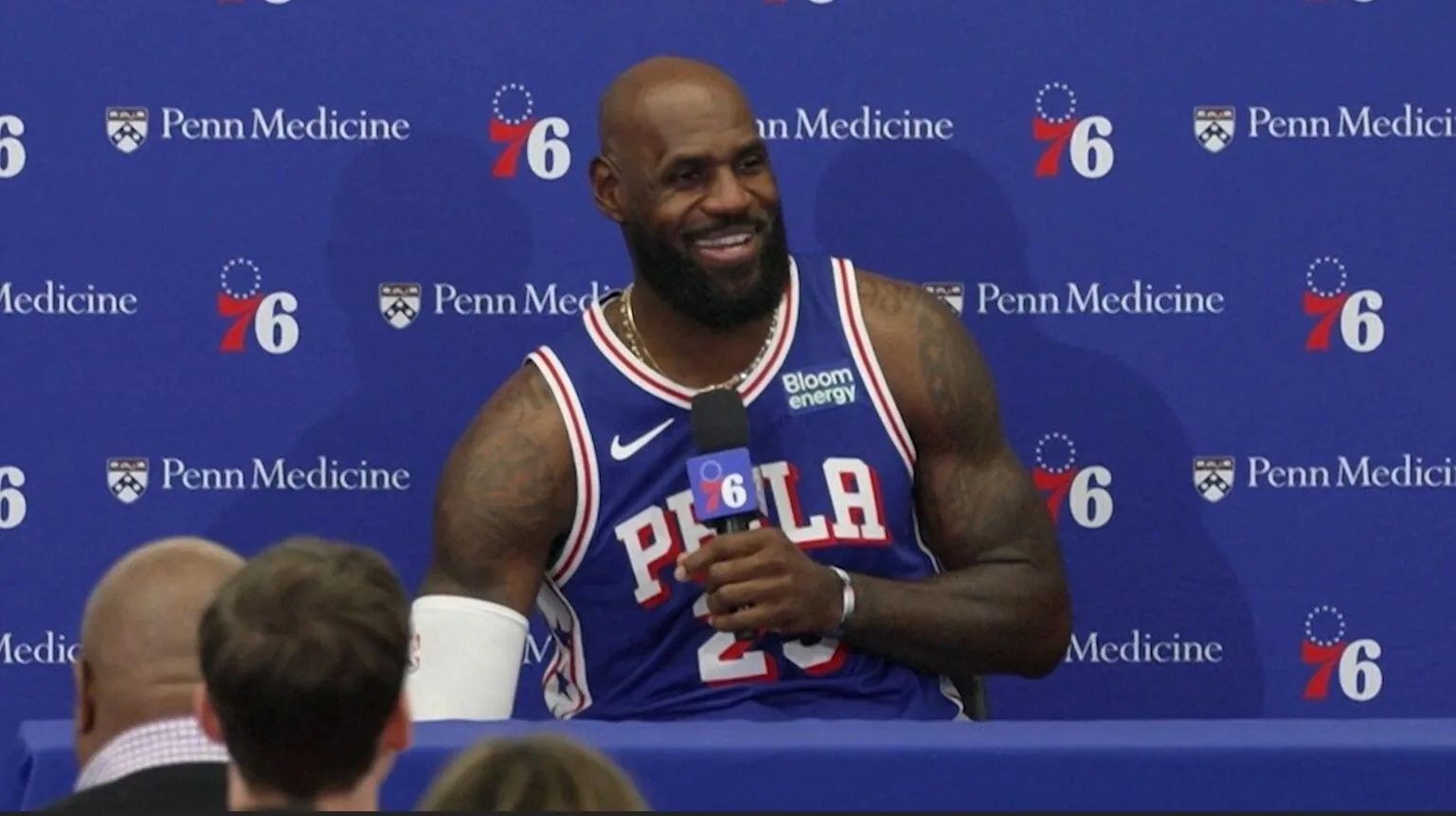
The 76ers approached this offseason with a focus on maximizing their core assets. By refining their rotation, they have effectively addressed previous spacing concerns, creating a more fluid offensive grid. Their moves suggest a front office prioritizing long-term tactical flexibility, ensuring that their nba starting lineup remains adaptable against various defensive schemes. The team’s body language during recent front-office pressers indicates a high degree of confidence in the new personnel integration.
Conference-Wide Trends
While Philadelphia stands at the top, the remaining 14 teams in the East have largely focused on depth and role-player acquisition. The current nba standing today reflects a conference that is increasingly stratified, with teams either pushing for immediate contention or pivoting toward long-term asset accumulation. The lack of transformative moves across the rest of the conference suggests a period of consolidation, where organizations are prioritizing the stability of their existing systems over high-risk roster overhauls.


What to Watch Next
As the league moves toward training camp, the focus shifts to how these new roster configurations translate to on-court chemistry. Observers should monitor the integration of secondary units, as the depth added by several Eastern Conference teams will be tested during the early-season schedule. The success of these offseasons will be measured not by the initial grade, but by the efficiency of the team's defensive rotations and their ability to maintain offensive rhythm through the 82-game cycle.
Turning point: 76ers roster efficiency rating, 94.2.