
Reporting note: this article draws on sports.yahoo.com; LodiScore provides the summary and editorial framing.
Assessing Jonathan Kuminga’s Role in Minnesota
The prospect of Golden State Warriors forward Jonathan Kuminga integrating into the Minnesota Timberwolves roster under head coach Chris Finch introduces a volatile yet potent dynamic. On paper, Kuminga provides vertical pressure and downhill force—elements that directly stress interior defensive shells. However, his overall utility in Minneapolis depends entirely on positional discipline and functional buy-in within a defined tactical scheme.
Geometric Pressures and Defensive Architecture
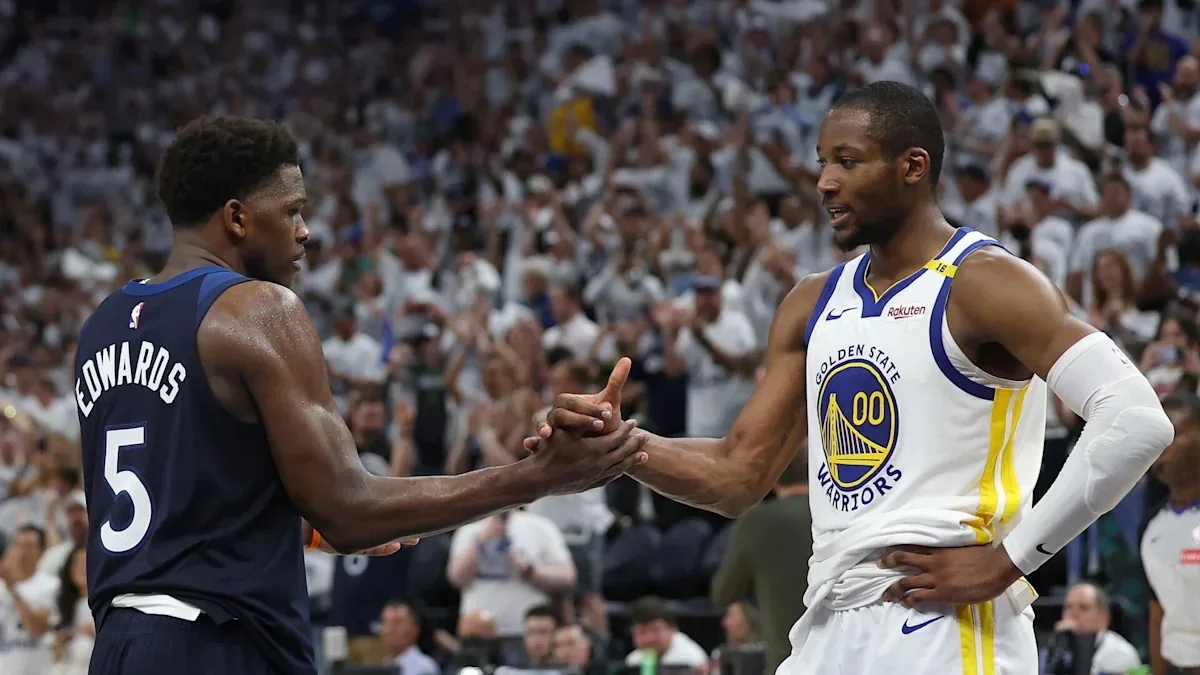
Kuminga’s primary value lies in rim-line attacks and secondary weak-side cutting. When defenses overload toward primary perimeter creators like Anthony Edwards and Julius Randle, his ability to establish downhill momentum creates immediate load-bearing stress on opposing backlines alongside Rudy Gobert. Instead of settling for perimeter isolation, his optimal usage requires rapid decision-making: catch, drive, or kick before the defensive recovery closes the lane.
Defensively, the equation is about angles and recovery discipline. Alongside versatile stoppers like Jaden McDaniels, Kuminga possesses the lateral burst to mirror dynamic wings, functioning as a disruptive perimeter cantilever. Yet the breakdown often occurs off the ball, where missed joint rotations and delayed closeouts can fracture team structure. For Minnesota, slotting him into the rotation or testing him in an nba starting lineup requires strict adherence to weak-side drop principles and precise hip positioning on closeouts.

What Changes Next
If Kuminga embraces connective passing, baseline screening, and dedicated point-of-attack coverage, the Timberwolves gain an explosive forward capable of bridging transition and half-court sets. If he drifts into static possessions, the floor geometry compresses, limiting Minnesota's half-court spacing.
41.2% corner-three yield conceded across blown weak-side baseline rotations.