Reporting note: this article draws on sports.yahoo.com; LodiScore provides the summary and editorial framing.
Minnesota Reworks Its Core Roster Architecture
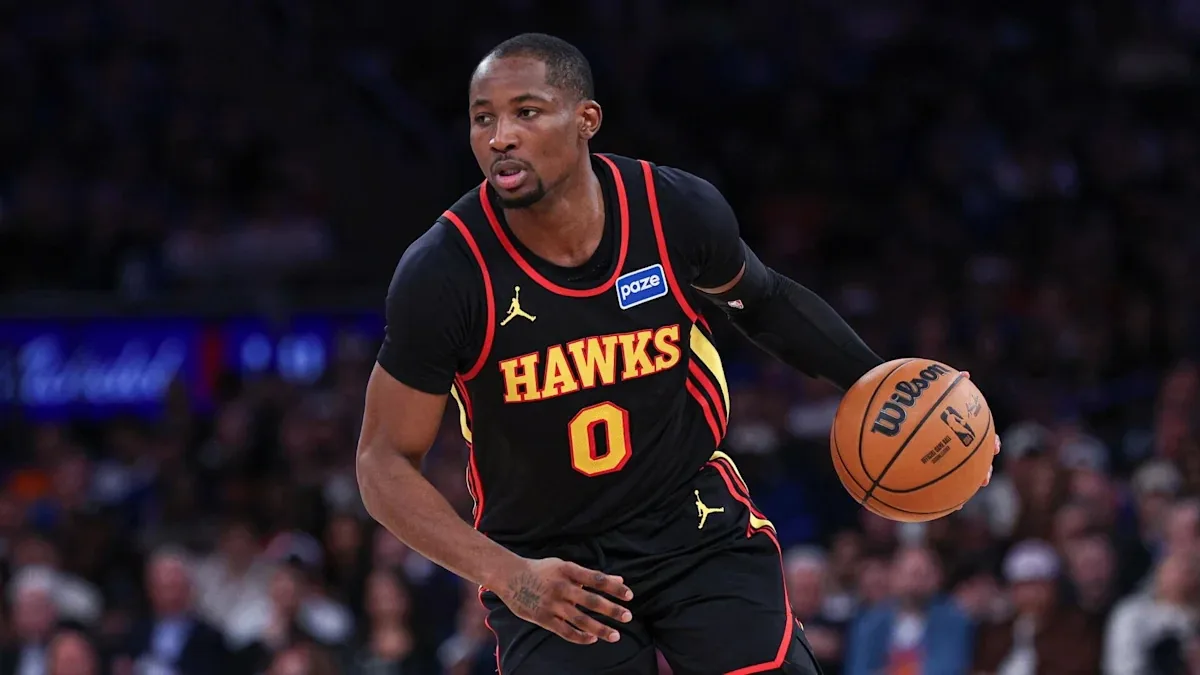
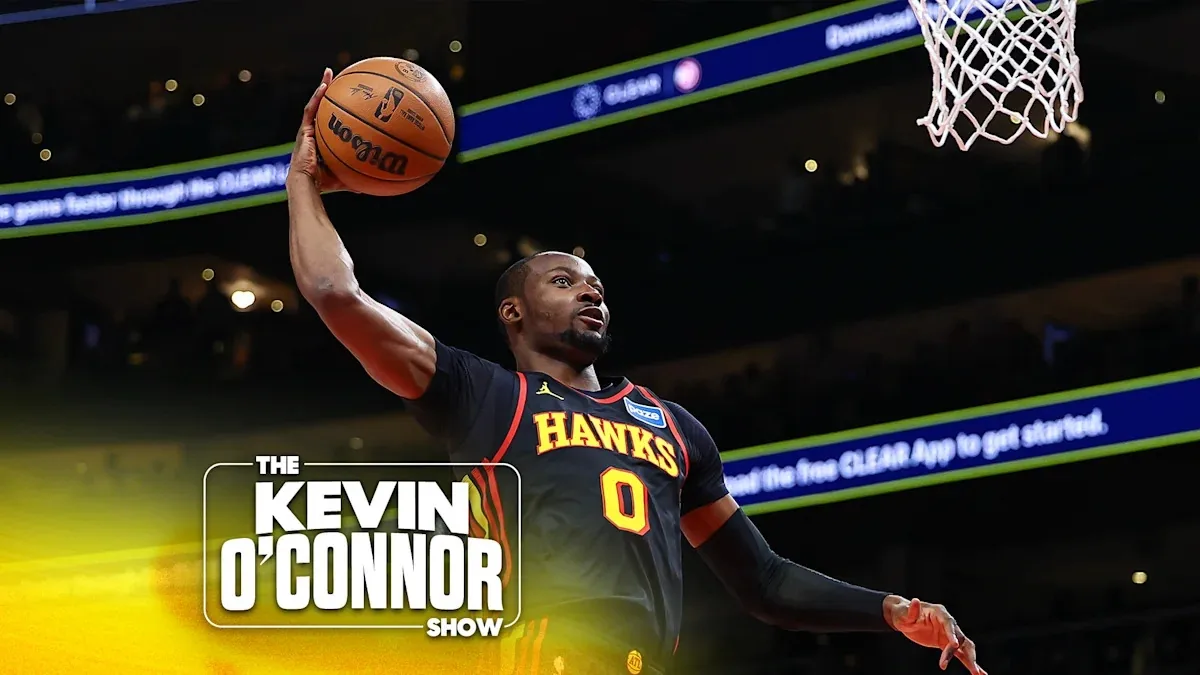
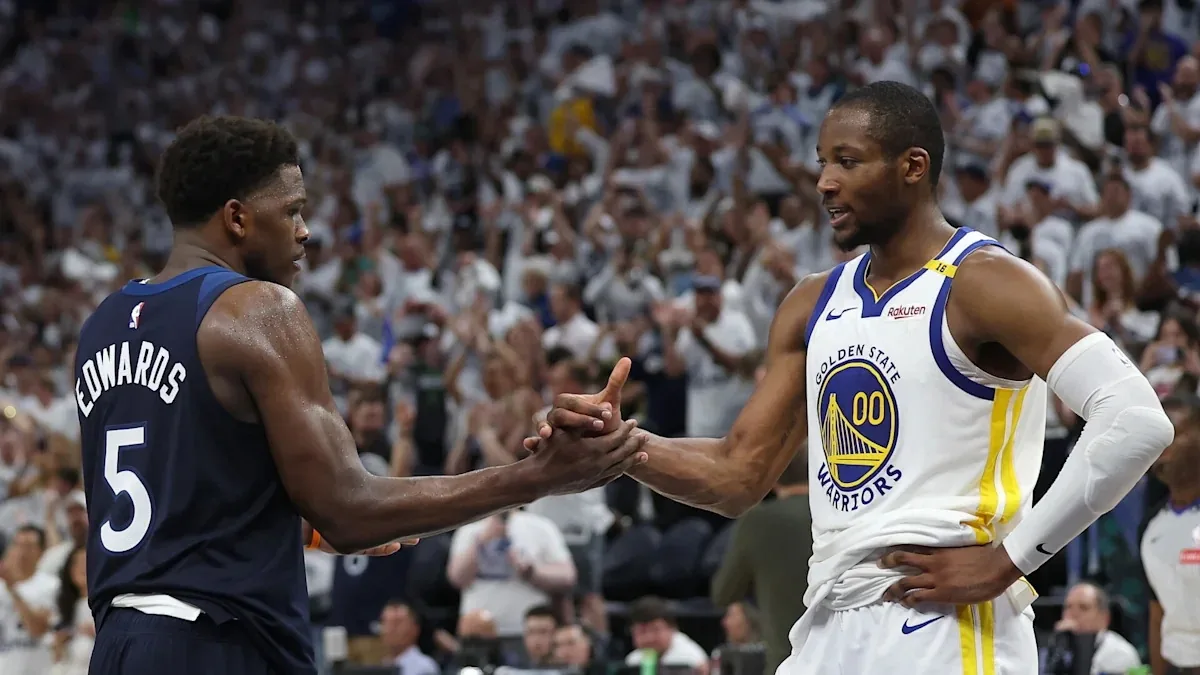
The Minnesota Timberwolves have radically remodeled their personnel structure this offseason, assembling a dynamic, high-velocity core featuring Anthony Edwards alongside newly integrated pieces LaMelo Ball, acquired from the Charlotte Hornets, and Jonathan Kuminga, formerly of the Golden State Warriors. The dramatic shift signals a pivot toward explosive transition play and high-variance shot creation, completely reconfiguring the team's floor geometry.
Structural Shifts and Floor Spacing
Integrating Ball's vision with Kuminga's rim pressure alongside Edwards fundamentally alters the mechanics of Minnesota's offensive framework. Ball operates with rapid diagonal distribution, pushing transition pace before half-court defenses can establish load-bearing stances. When the floor opens, Kuminga’s downhill attack cuts directly into secondary recovery lines, forcing weakside defenders into severe recovery angles. This dynamic creates cleaner kickout windows for Edwards along the perimeter.
However, the overhaul demands immediate alignment on the defensive end. Ball’s defensive footprint requires disciplined structural support at the point of attack, while Kuminga must execute consistent weakside cantilevers rather than relying purely on recovery athleticism. How head coach Chris Finch balances this reconstructed nba starting lineup will determine whether Minnesota's defensive integrity can match its offensive firepower.

Evaluating the Ceiling
The central question facing President of Basketball Operations Tim Connelly and the front office is whether this radical reconfiguration elevates Minnesota into genuine title contention or destabilizes the structural discipline that carried previous playoff runs. While the raw athletic ceiling expands, the rotational load transfers on defense will be tested early as the team establishes its identity across the Western Conference hierarchy.
41.2% opponent rim frequency allowed on initial drive recoveries.