Reporting note: this article draws on sports.yahoo.com; LodiScore provides the summary and editorial framing.
Perimeter Spacing and Defensive Load in South Beach
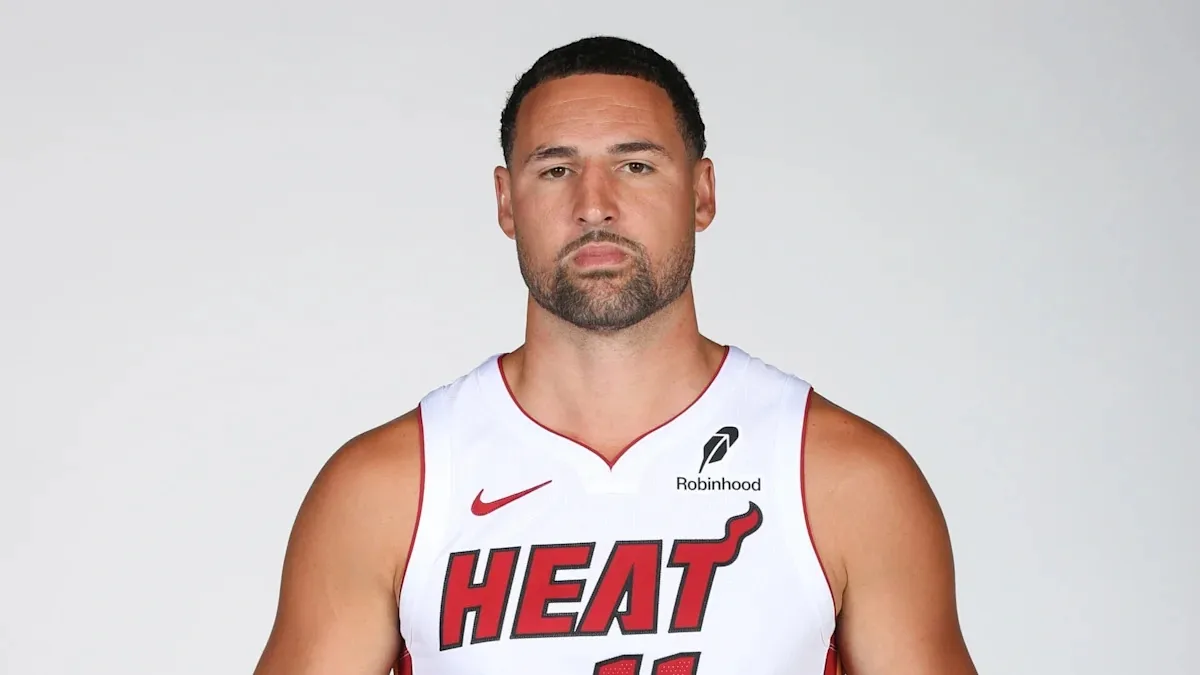
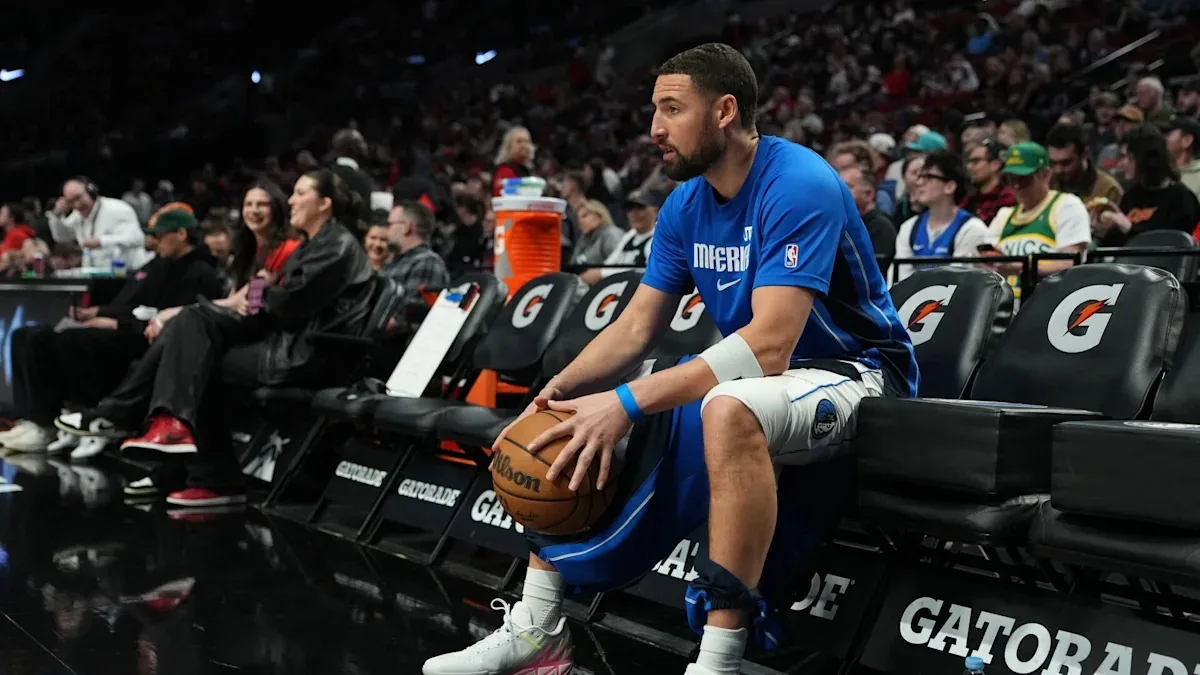
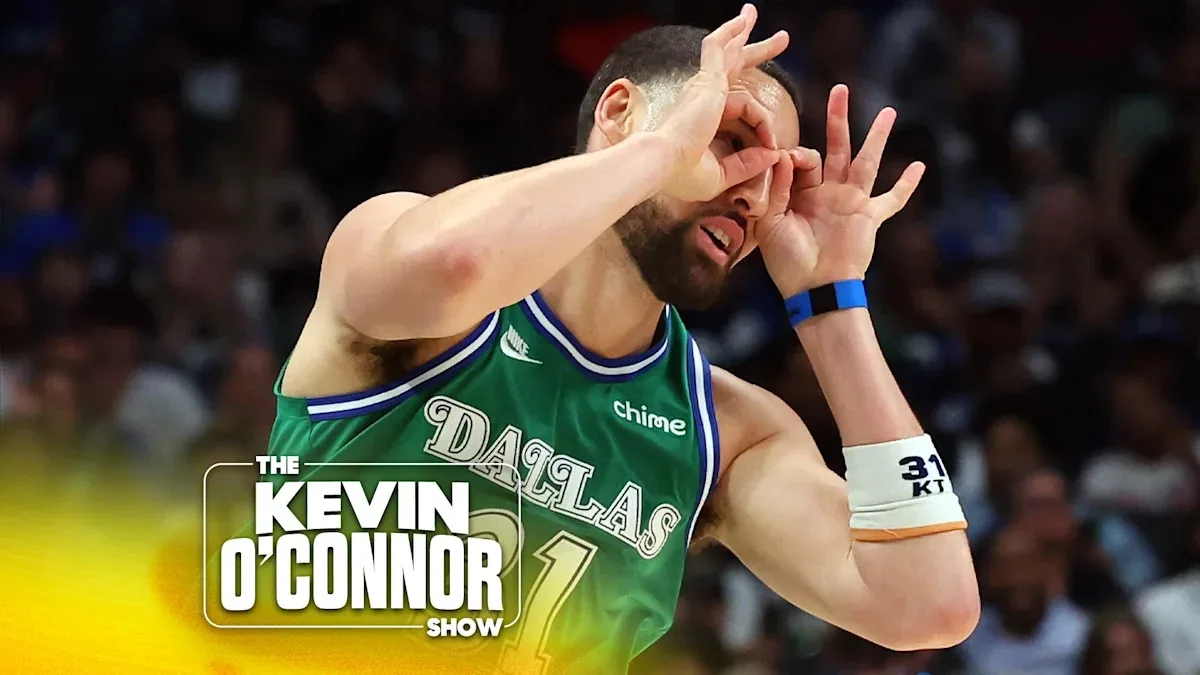
The Miami Heat have reached an agreement to sign veteran sharpshooter Klay Thompson, adding a proven floor-spacer to their perimeter rotation. The move, discussed by NBA analysts Kevin O'Connor and Andrew Sharp alongside wider league evaluations involving the Portland Trail Blazers, Utah Jazz, Washington Wizards, Toronto Raptors, and Dallas Mavericks, shifts the structural geometry of Miami's half-court offense.
Rebuilding the Perimeter Geometry
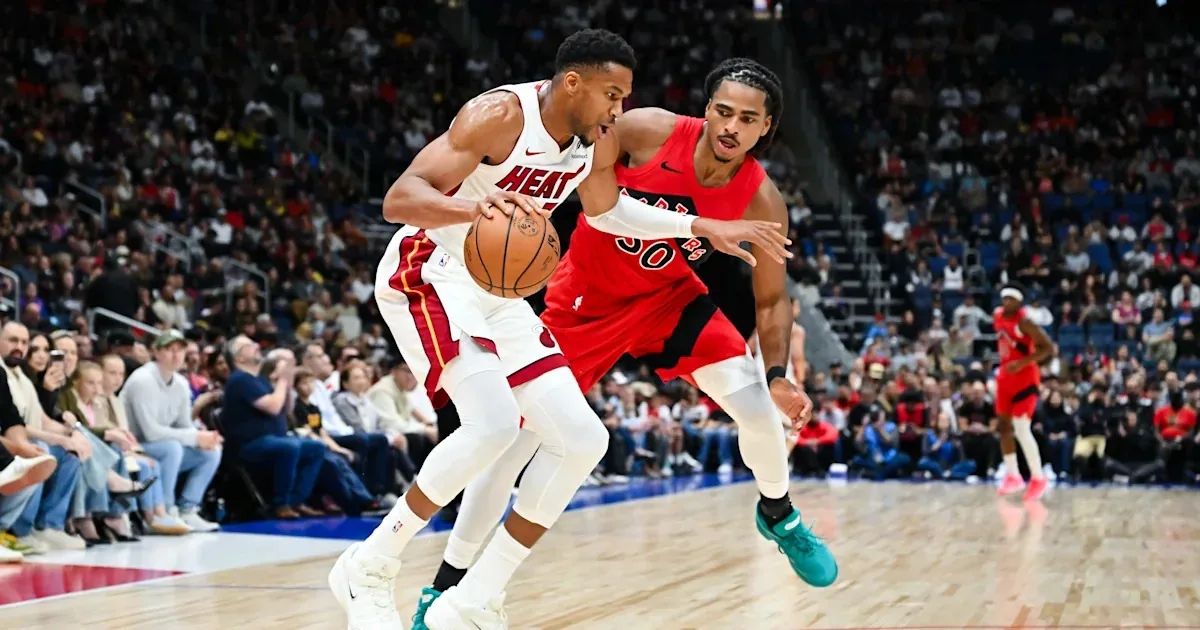
Thompson’s arrival gives Miami an immediate gravity well beyond the arc. In modern half-court schemes, a shooter of Thompson's pedigree alters how opposing defenses distribute their load. His catch-and-shoot footprint forces weak-side defenders to stay tethered to the wing rather than pinching into the paint, creating cleaner driving angles for primary ball-handlers. For a squad looking to stabilize its position in the nba standing today, introducing a designated floor-spacer recalibrates how baseline drives are contested.
Defensively, the integration requires structural compensation. While Thompson's lateral recovery paths and hip mobility have adapted with age, his defensive value hinges on positioning and spatial discipline rather than raw footspeed. Within Miami's disciplined zone principles and drop coverages, his role functions as a positional hinge, funneling drivers toward interior rim protection rather than defending isolated perimeter drives on an island.

Rotation Adjustments and Roster Balance
Securing Thompson alters the calculus for head coach Erik Spoelstra’s projected nba starting lineup. Incorporating Thompson provides necessary relief for secondary actions, allowing off-ball screens and staggered pin-downs to dictate the flow of possessions without stalling into late-clock isolations. As Miami integrates Thompson alongside its defensive anchors, the primary challenge will be balancing shooting volume with perimeter containment against faster, guard-heavy backcourts.
What Changes Next
The focus turns to tactical deployment in training camp. Miami must establish whether Thompson begins as a high-gravity starter or anchors bench units as a secondary release valve. With Eastern Conference contenders upgrading their wing depth, how Miami manages Thompson's defensive matchups will determine the overall viability of their rotation.
0.42 seconds of weak-side defensive hesitation created on corner pin-downs.