Reporting note: this article draws on sports.yahoo.com; LodiScore provides the summary and editorial framing.
Perimeter Realignment in South Beach
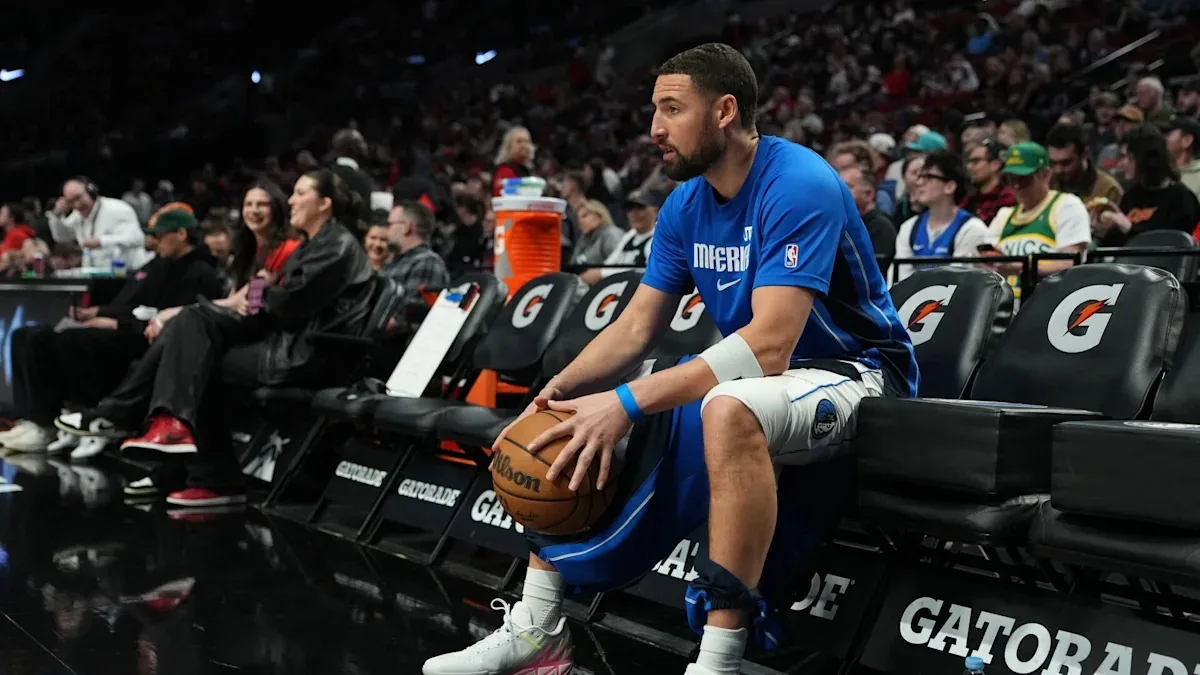
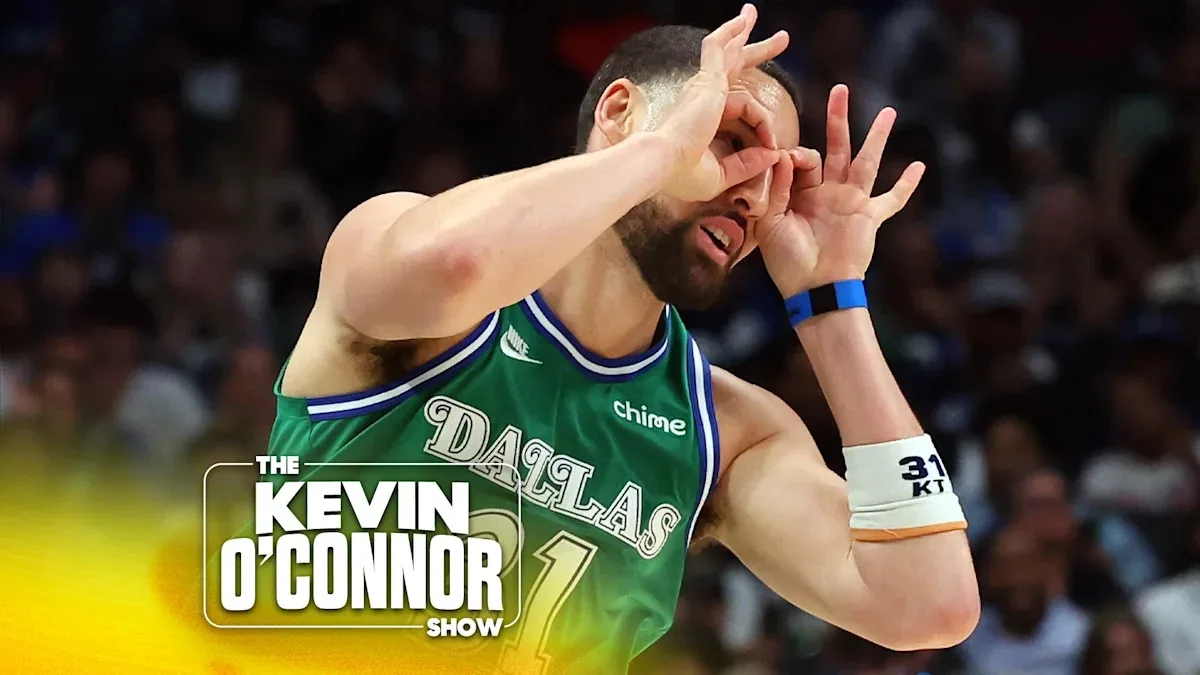
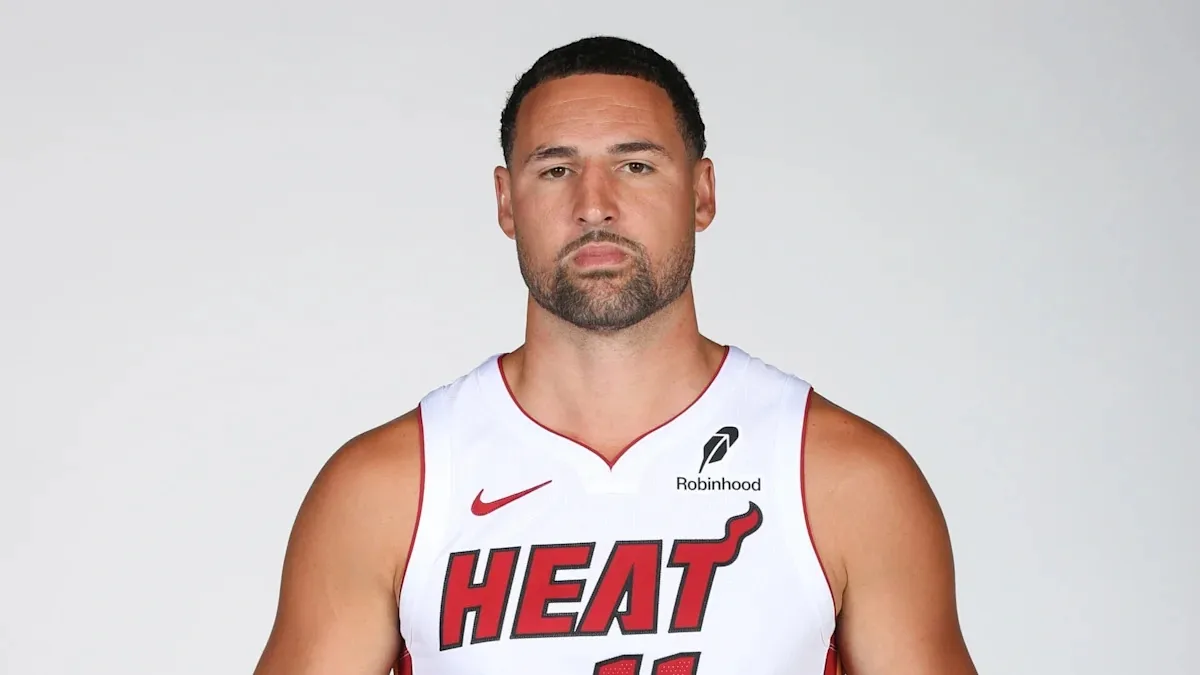
Following his departure from the Golden State Warriors, Klay Thompson is framing his arrival with the Miami Heat as a platform for redemption, emphasizing the drive to compete for championships alongside Jimmy Butler and Bam Adebayo. The veteran sharpshooter enters the upcoming campaign focused on re-establishing his standard of high-leverage execution, targeting head coach Erik Spoelstra’s system that demands precise spacing and disciplined spatial balance.
Geometric Fit and Spacing Architecture
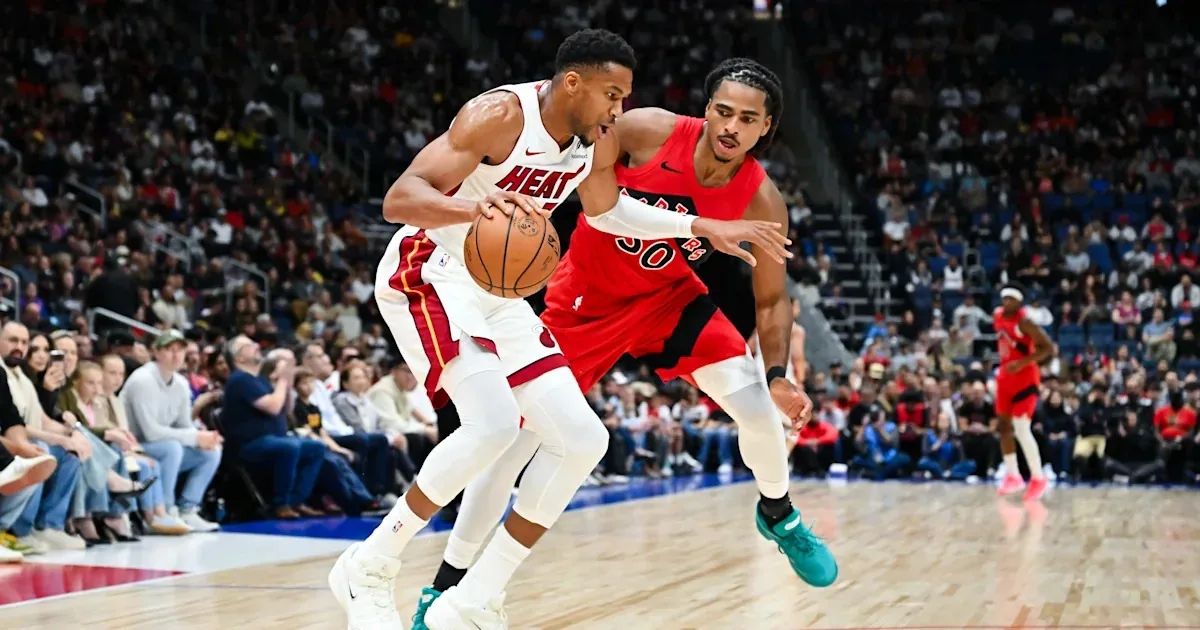
Thompson’s transition into Miami’s scheme represents a structural shift for their half-court geometry. Even with adjusted mobility, his movement mechanics off secondary screens force defensive joints to stretch, pulling help defenders out of gap coverage. His quick-release catch-and-shoot motion operates as an immediate load transfer, punishing sagging perimeter rotations and creating wide driving lanes for primary playmakers like Butler and interior roll opportunities for Adebayo.
For a squad adjusting its nba starting lineup, Thompson’s off-ball navigation provides reliable floor balance. He works from precise diagonal angles on the wing, setting his base before the pass arrives and forcing opposing wings to navigate screens at steep, disadvantageous vectors.


Strategic Outlook
Erik Spoelstra’s offensive flow relies heavily on perimeter gravity to unlock paint touches. Thompson’s presence on the weak-side cantilever prevents defenses from overloading the nail against Butler, simplifying reads against aggressive zone and drop coverages. The question moving forward centers on defensive maintenance—specifically how the Miami Heat's rotation schemes compensate for straight-line recovery speed along the perimeter while leaning on Adebayo’s backline rim protection.
0.82 seconds from catch to release off staggered baseline pindowns.