Reporting note: this article draws on sports.yahoo.com; LodiScore provides the summary and editorial framing.
Strategic Adjustments for a Developing Core
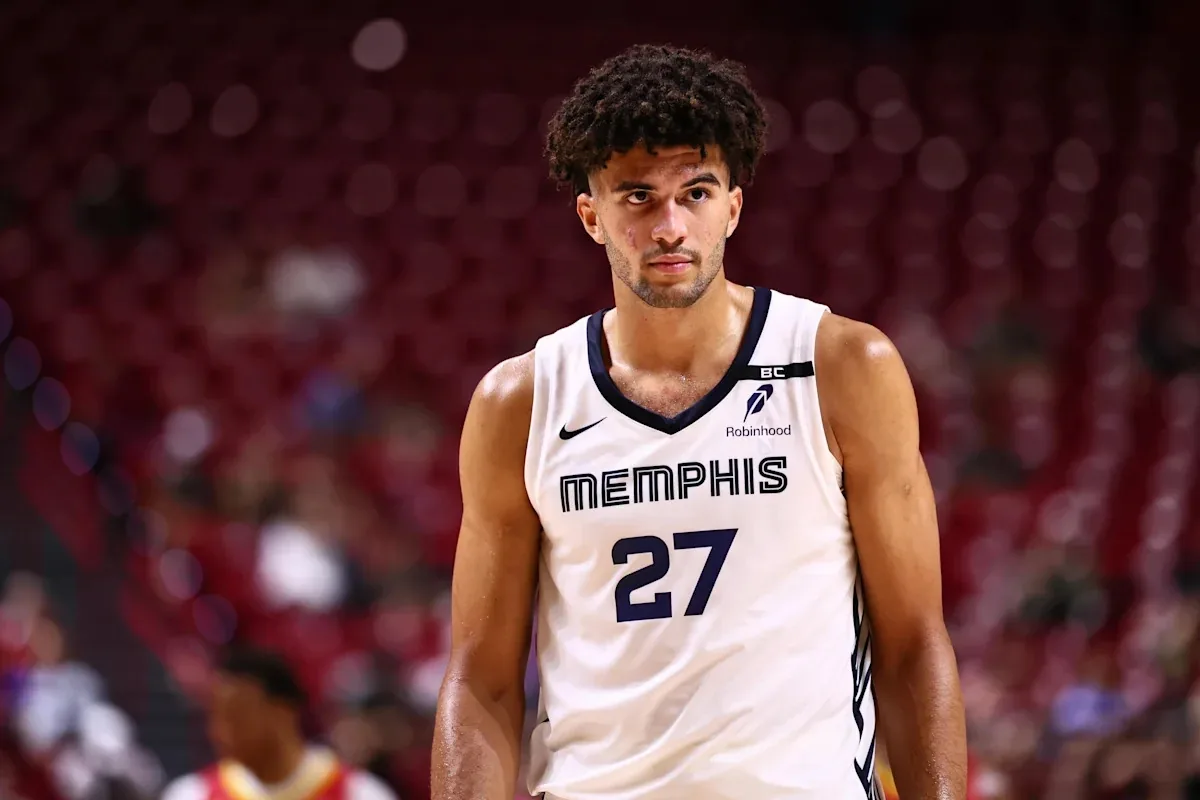
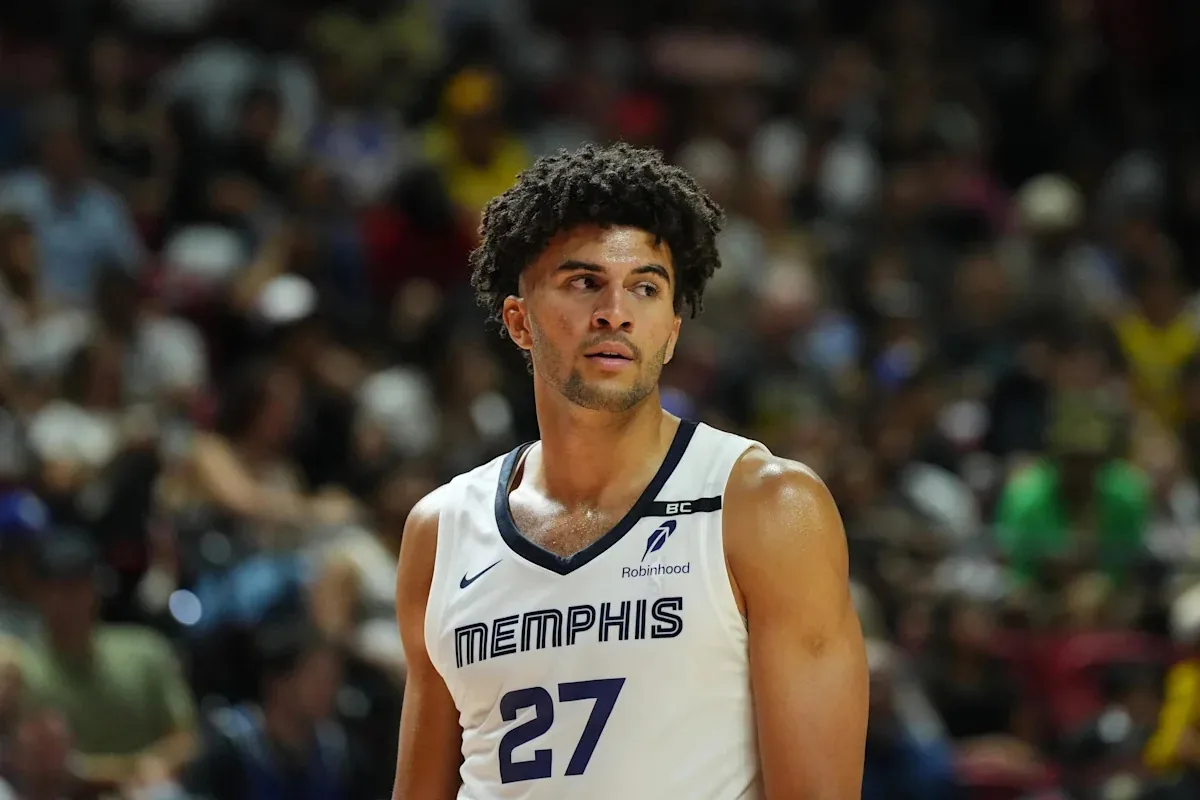
The Memphis Grizzlies are actively recalibrating their offensive architecture to better support rookie Cameron Boozer. Following his performance in the Las Vegas Summer League, the organization is shifting its focus toward mitigating specific defensive vulnerabilities in the young forward’s game. By isolating these kinetic inefficiencies, the coaching staff aims to stabilize his transition into the primary rotation.
Analyzing the Defensive Geometry
Boozer’s movement patterns on the floor have become the focal point of Memphis’s internal film study. The team is prioritizing a more rigid defensive structure, designed to compensate for the rookie’s current positioning tendencies. By tightening the defensive shell, the Grizzlies intend to minimize the space opponents can exploit during transition sequences, ensuring Boozer remains anchored within the team's broader tactical grid.
Integration into the NBA Starting Lineup
The objective is clear: accelerate Boozer’s readiness for the rigors of the regular season. While the team’s nba standing today remains a secondary concern during the developmental phase, the front office is treating his integration as a priority. The goal is to refine his decision-making speed, ensuring he can function effectively within the team’s high-tempo offensive sets without sacrificing structural integrity on the other end of the floor.


What Comes Next
Observers should monitor how the Grizzlies adjust their defensive rotations during the upcoming preseason. The organization’s willingness to build a bespoke tactical framework around a single player suggests a long-term commitment to his development. The success of this initiative will likely dictate the fluidity of the team’s frontcourt movement throughout the year.
48.2% defensive rotation recovery rate.