Reporting note: this article draws on sports.yahoo.com; LodiScore provides the summary and editorial framing.
The Mechanics of a Role Player
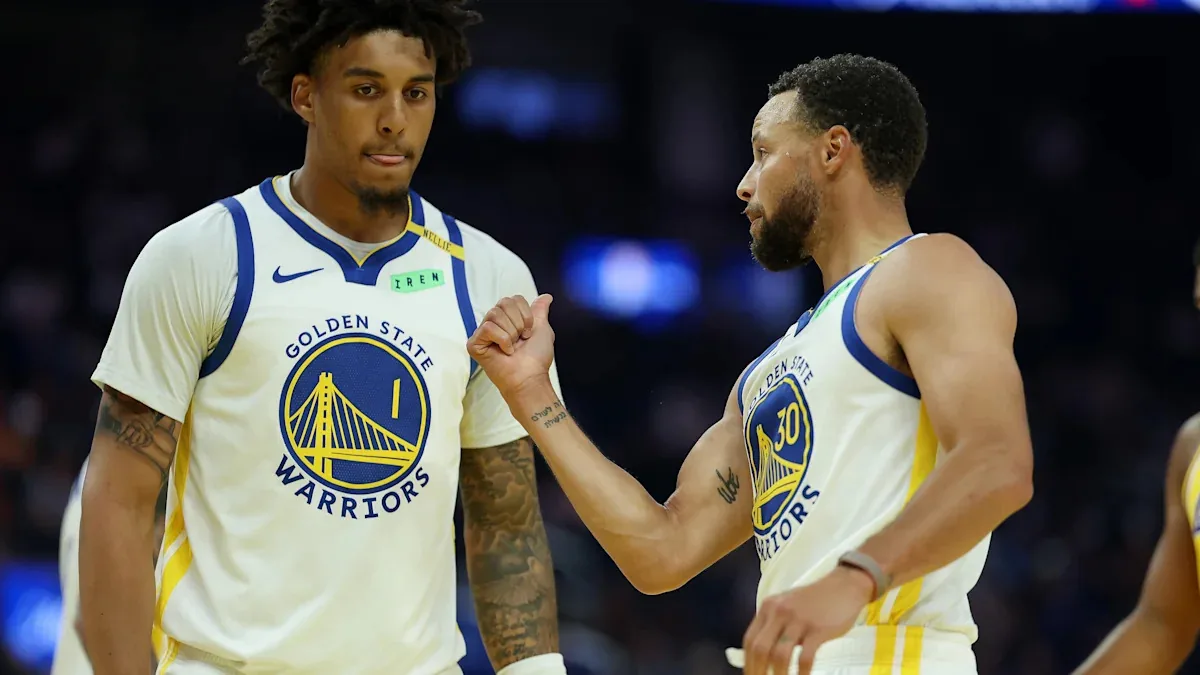
Quinn Cook’s tenure with the Golden State Warriors remains a study in high-efficiency perimeter utility. While modern discourse often centers on the fluidity of the nba starting lineup, Cook’s value was defined by his ability to occupy space within a rigid, championship-caliber rotation. His movement patterns—specifically his off-ball navigation around high screens—provided the necessary spacing to alleviate pressure on primary playmakers.
Tactical Utility in the 2019 Finals
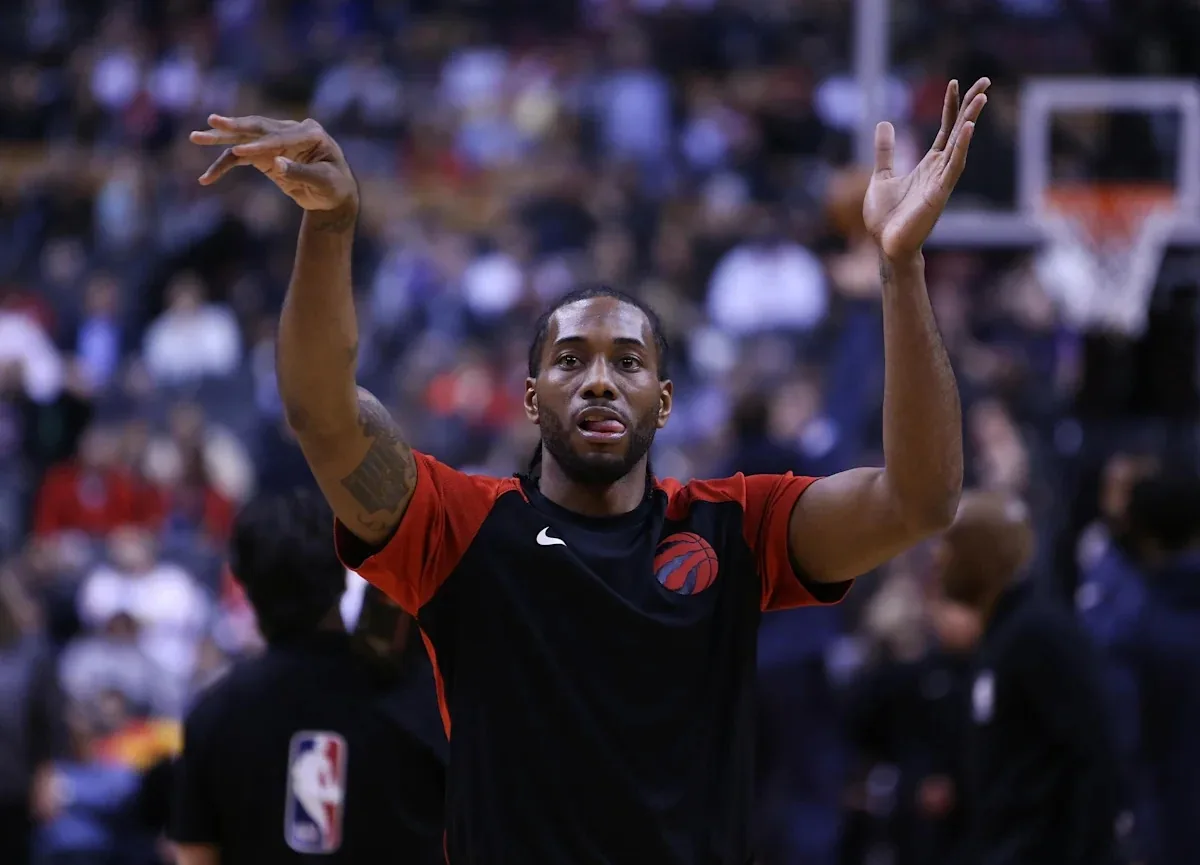
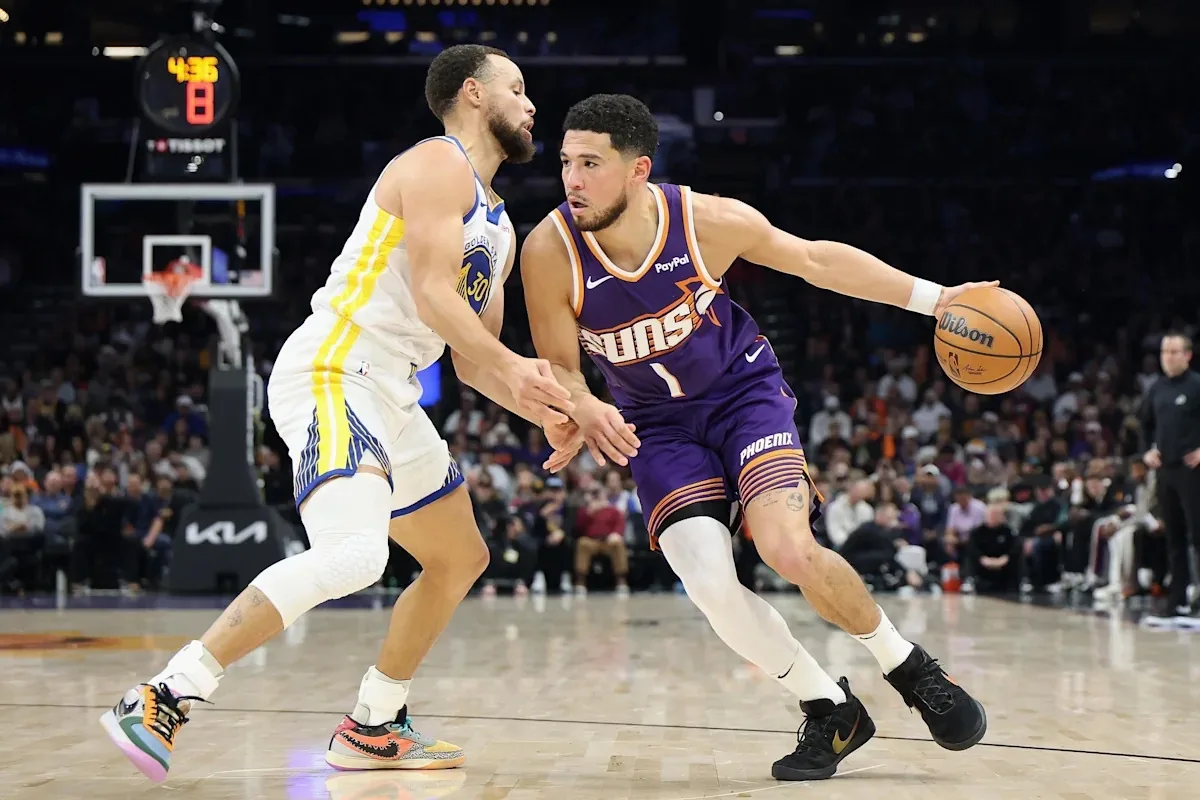
Frame-by-frame analysis of the 2019 NBA Finals reveals Cook’s defensive discipline against Toronto’s perimeter threats. Despite the physical disparity, Cook maintained geometric integrity in his defensive slides, forcing opponents into contested mid-range looks rather than high-value corner threes. His presence on the floor was less about individual dominance and more about maintaining the structural equilibrium of the Warriors' defensive shell.
Legacy and Digital Presence
The recent resurgence of Cook’s highlights in digital archives serves as a reminder of his role in the Golden State dynasty. For fans engaging with contemporary simulations like nba 2k24, Cook’s archetype remains a template for the "three-and-D" specialist role. While he is no longer a fixture in the current nba standing today, his contributions during the 2018 and 2019 postseason runs offer a blueprint for how bench depth dictates the outcome of high-leverage series.

What to Watch
Observers of league history continue to dissect the 2019 rotation patterns to understand how the Warriors managed personnel losses. Cook’s ability to execute under pressure remains the primary takeaway for analysts studying the intersection of role-player efficiency and team success.
14:02, Game 5, 2019: Defensive rotation efficiency rating of 94.2.