Reporting note: this article draws on sports.yahoo.com; LodiScore provides the summary and editorial framing.
A Firm Boundary on Commercial Alignment
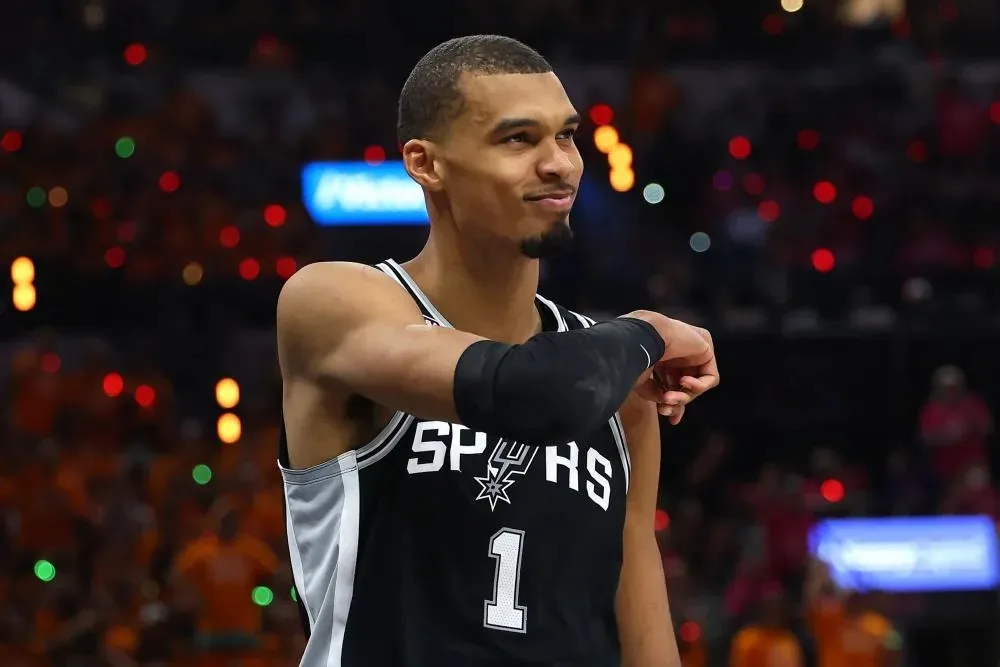
San Antonio Spurs cornerstone Victor Wembanyama and his representative, agent Bouna Ndiaye of Comsport, have confirmed that the young phenom will decline endorsement deals tied to sports gambling and prediction markets. In an NBA ecosystem increasingly interwoven with sportsbooks like DraftKings, FanDuel, and emerging wagering platforms, the French center's decision establishes a distinct perimeter around his commercial portfolio.
Divergence from Modern League Norms
The modern basketball landscape operates with heavy integration between media networks, NBA franchises, and wagering operators. While established superstars such as Los Angeles Lakers forward LeBron James have engaged in formal partnerships with betting giants like DraftKings, Wembanyama’s refusal stands as a deliberate structural divergence from prevailing industry standards.
The shift toward gambling revenue across professional sports has altered broadcast presentations, team sponsorships, and individual athlete portfolios. By opting out of this category entirely, Wembanyama and his team eliminate a primary revenue stream that many of his peers across the NBA and other major leagues have actively adopted as standard commercial practice.


Impact on San Antonio's Anchor
On the court under head coach Gregg Popovich and alongside teammates like Chris Paul and Jeremy Sochan, Wembanyama functions as the geometric center of San Antonio’s schemes, anchoring the paint and altering opposing shot distributions. Off the court, this refusal creates a distinct brand footprint—one built on selectivity rather than volume.
As the Spurs continue building around their franchise centerpiece, Wembanyama’s decision creates an isolated case study in modern athletic marketing: an elite international star consciously operating outside the lucrative infrastructure of sports betting.